Keynote Speaker: What One Does and How to Brief Them for Your Conference

TL;DR
- A keynote speaker sets the theme for the whole event. The talk is the one session everyone attends, and the rest of the programme should hang off it.
- Choose for the outcome you want, not the biggest name you can afford. Ask what delegates should think or do differently afterwards.
- Slot the keynote where the room is sharpest, usually first thing after a short welcome. Avoid the post-lunch dip unless the speaker is built for it.
- Brief in writing: audience, outcome, exact timings, Q&A format, tech, accessibility and recording.
- The host owns the handover both ways: a short introduction in, and a clean outro that thanks the speaker and moves the day on.
A keynote speaker is the person you trust with the most important slot of your conference. Choose well, brief well, and the whole day has a spine. Get it wrong and you have paid for a talk nobody mentions again by lunchtime.
This is the organiser’s side of it. What a keynote is for, how it differs from the other talks on your agenda, where it belongs in the day, how to brief the speaker, and how the host hands the room over and takes it back. How to deliver the speech is the speaker’s job, so it is not covered here.
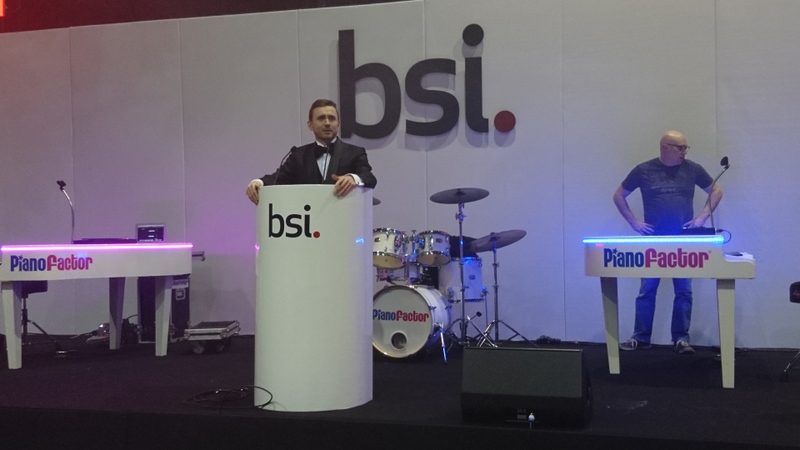
What is a keynote speaker?
A keynote speaker is the person who gives the main address at a conference, the talk that sets the theme for everything else. Cambridge defines a keynote speaker simply as the person who gives the keynote address at a large meeting.
The word itself explains the job. In music, the keynote is the first and fundamental tone of a scale, a sense first recorded in 1677. In unaccompanied singing, one note is sounded first and it sets the key for the whole song. A keynote does the same for a conference. Cambridge’s general sense of the word, the most important or most emphasised part of something, is the standard to hold your speaker to.
Keynote, plenary or breakout: what is the difference?
A keynote is a plenary talk with a special job: setting the theme. A plenary is any session where everyone is present. A breakout splits the room into smaller groups.
| Session | Who attends | Its job |
|---|---|---|
| Keynote speech | Everyone | Sets the theme, frames the day |
| Other plenary talk | Everyone | Covers one topic in depth |
| Panel | Everyone | Several views on one question |
| Breakout | A chosen group | Detail, discussion, practical work |
The labels get blurred. Wikipedia notes the word is increasingly used as a synonym for plenary session or invited talk. Calling every main-stage slot a keynote dilutes the one that matters, so keep the word for the talk that frames the event.
What does a keynote speaker do at a conference?
A keynote speaker for a conference gives the room one shared idea to carry into every later session. In practice, their responsibilities are these:
- Frame the theme, and connect the talk to why the event exists this year.
- Give the day a reference point that later speakers and panels can build on (“as we heard this morning”).
- Speak to this audience. Your sector, your delegates, not a stock talk for anyone.
- Keep to time, because a keynote that overruns steals from every session after it.
- Work to the brief: the agreed tone, any sensitivities, the format for questions.
Choosing a keynote speaker: start with the outcome
Write one sentence before you look at anyone: “After the keynote, delegates should…” Finish it with a thought, a feeling or an action. Choosing becomes much easier once that sentence exists.
Then test each candidate against it:
- Fit. Have they spoken to an audience like yours, at a similar seniority?
- Scale. Have they worked a hall of your size? Twelve people round a boardroom table is a different job.
- Evidence. Watch a full talk, not a highlights reel, so you see how they hold the middle section.
- Flexibility. Will they tailor content to your theme, or is it the same talk every time?
- No pitching. TED’s rules for TEDx events say speakers cannot promote their own products, books or businesses. That is a sensible standard for your stage too.
Agree any fee, travel and contract terms separately, before you brief.
Where should the keynote sit in the conference day?
The keynote should sit where the room is at its sharpest, which for most events means straight after a short welcome. I have hosted more than 800 events, and the energy in a room is a curve. Watch it: the cold open at 9am, the slump after lunch, the awkward gap before networking.
Put the keynote first and it sets the theme before anything else is said. Keep the welcome brief and use it to warm the room; the guide on opening a conference covers that part.
Be wary of the slot after lunch. Research on the post-lunch dip found it can occur even when people have not eaten, and that a high-carbohydrate lunch makes it worse. Only put a speaker there if their talk is built to lift a room.
A closing keynote works when its job is to send people away with a single message. Leave the closing remarks to the host afterwards. Wherever it goes, build a few minutes of buffer either side. The agenda template shows how to lay out those slots.
How long should a keynote speech be?
A keynote speech should be as long as the content and the room can carry, then agreed as an exact figure in the brief. There is no standard length. Some formats are deliberately short: TEDx talks are typically under 18 minutes, according to TED’s rules.
Do not cut a keynote down because of the “ten-minute attention span” either. A 2016 review of the evidence found the primary data do not support a 10 to 15 minute attention limit in lectures, and that attention varied most with who was presenting rather than the format. The speaker you choose matters more than the minutes you give them. The guide on how to hold attention covers what the host can do around a long session.
Whatever you agree, say whether questions come inside that time or after it.
Briefing a keynote speaker: the checklist
A good keynote speaker will ask for most of this. Send it anyway, in writing, a few weeks out:
| Brief item | What to tell them |
|---|---|
| Audience | Who is in the room, how many, how senior, what they already know |
| Outcome | Your “after the keynote, delegates should…” sentence |
| Context | The theme, what comes before and after, any sensitivities |
| Timings | Exact start, finish, whether Q&A is inside the slot |
| Questions | Live, submitted by phone, or none; who chooses them |
| Stage and tech | Microphone type, slides format and deadline, clicker, confidence monitor |
| Accessibility | Captioning, slides shared in advance, describing visuals |
| Recording | Whether it is filmed or streamed, and how it will be used |
| Arrival | When to arrive, tech check time, who meets them |
Accessibility belongs in the brief, not on the day. The W3C’s guidance on accessible presentations tells organisers to set out their expectations to speakers, provide microphones for audience questions, and have speakers repeat questions asked off-mic. Insist the speaker uses the microphone even in a small room. RNID estimates that 1 in 3 people in the UK are deaf, have hearing loss or tinnitus.
Should the keynote take questions?
Yes, if the format is agreed and somebody other than the speaker runs it. Usually that is the host, who picks the questions, keeps them short and closes on time.
Who goes first changes who joins in. A Cambridge-led study of seminars found that when a man asked the first question, the share of later questions from women fell. The researchers suggest moderators watch the whole room and balance who gets asked.
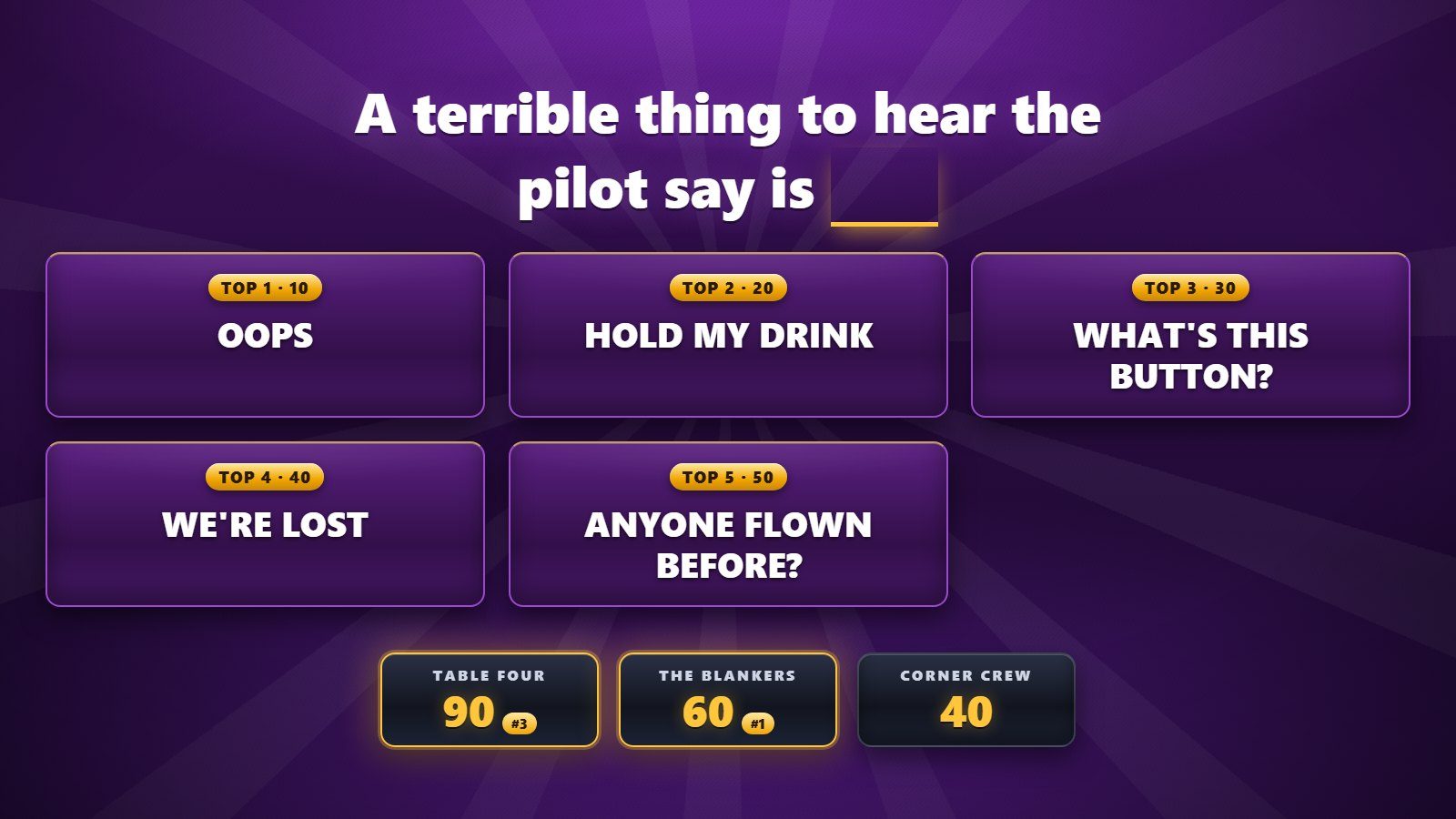
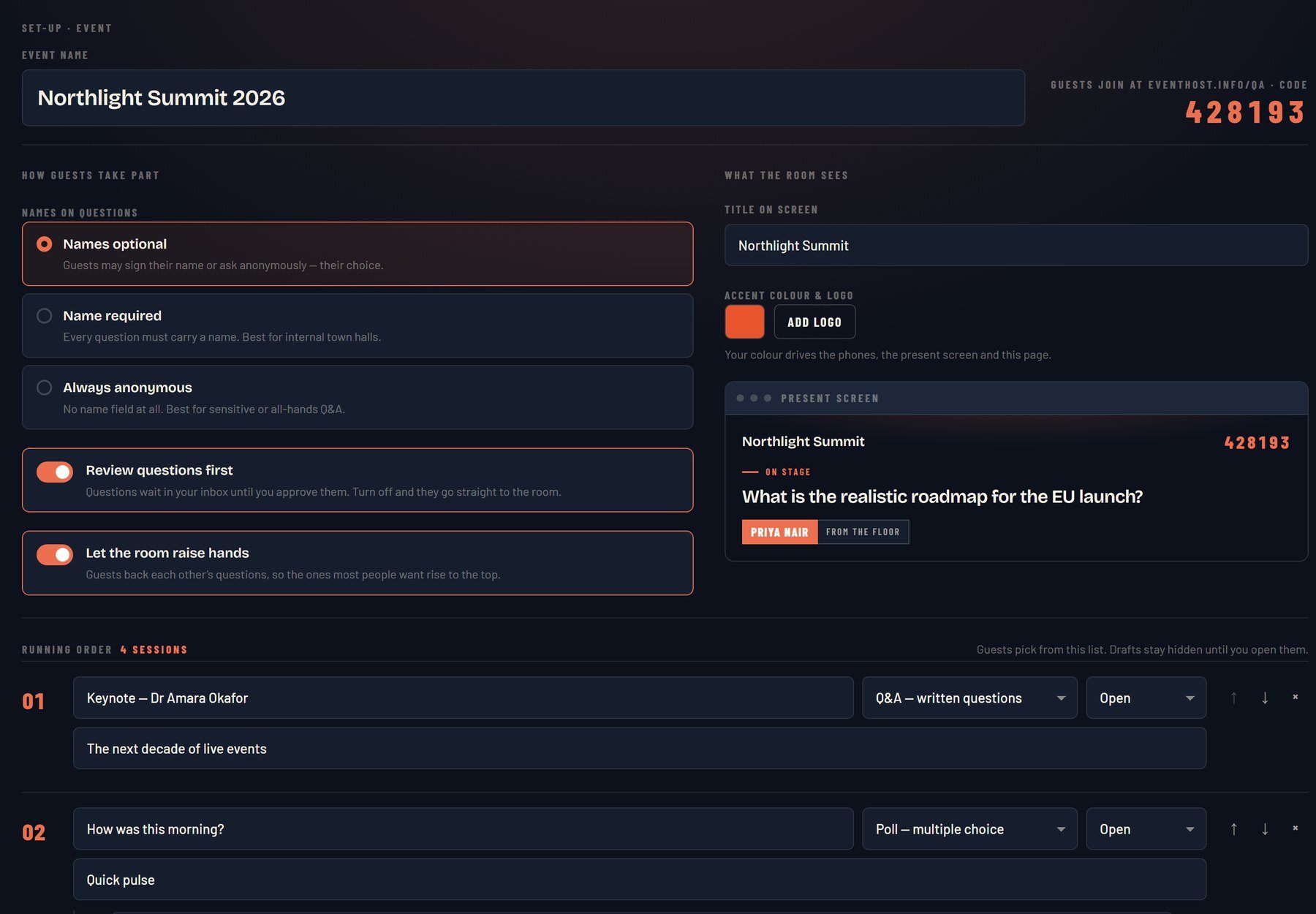
Phone-submitted questions help here, because the first hand up is no longer the only way in. I use RoomReader, my own live Q&A software, so delegates can send questions from their phones and the host can choose a good mix. Engagement is not a gimmick bolted on at the end. It is how you keep a room with you from the first minute.
The host’s handover, in and out
The introduction should be short: who this is, why they are worth hearing on this subject, and the title, ending on their name. The full method is in the guide on how to introduce a speaker, so it is not repeated here. Agree the wording with the speaker beforehand, including how they pronounce their name.
The outro matters just as much and is often forgotten:
- Lead the applause from the side of the stage as the speaker finishes.
- Thank them by name, with one line on what the talk gave the room.
- Tie it back to the theme, so the keynote becomes the reference point for later sessions.
- Move the day on: the next item, the time, and anything delegates need to do before it.
If the keynote overran, the host absorbs it. Trim the outro, tighten the next changeover, and never make the speaker who follows pay for it.
What goes wrong, and how to head it off
Most keynote problems start in the planning, not on the stage:
- The generic talk. The speaker gives the version they give everyone. Prevent it with the outcome sentence and a call a couple of weeks before.
- The overrun. Agree hard timings and a visible countdown.
- The sales pitch. Put the no-promotion rule in the brief, in writing.
- The mistimed slot. A heavy, data-led talk straight after lunch. Move it.
- The cold handover. Nobody owns the outro, the speaker walks off to scattered applause and the room drifts to its phones. Give the outro to the host.
If you are planning a conference and want one person to run the room, handle every handover and keep the whole room with you, send the agenda or check availability at hello@conferencehost.uk.

17:00Close
Send me your agenda. I’ll show you where the room comes alive.
A fixed price, a free planning call, and a reply within one working day.