Reading the Room: How a Conference Host Spots Trouble Early
TL;DR
- Reading the room means noticing how a group feels and changing what you do while it still matters. In a conference hall you read patterns across tables, not single faces.
- The early warning signs are fidgeting that spreads, phones lighting up in clusters, a rising hum of side chatter, laughter shrinking to the front tables, and traffic at the doors.
- Do not trust a show of hands. People herd towards the majority answer; anonymous responses on their phones tell you far more.
- When a room goes flat, change the pace within minutes, not at the next break.
Reading the room is the part of hosting nobody notices when it works. Delegates remember a day that flowed. What actually happened is that someone on stage saw the room starting to drift and acted before it set in.
I have watched the energy in a room for more than twenty years, across 800+ events. This is how reading the room works in a hall of hundreds, and what to do once you have spotted trouble.
What does reading the room mean?
Reading the room means becoming aware of how a group feels about what is happening, then adjusting to it. The Cambridge Dictionary defines it as becoming aware of “the opinions and attitudes of a group of people that you are talking to”.
On a conference stage it means something narrower and more practical: spotting the moment a session starts to lose people, early enough that fixing it is still cheap.
That second half is the hard part. Anyone can see trouble once half the hall is on email. The skill is seeing it when it is three tables.
Why is reading room energy more reliable than reading faces?
Because a single face tells you very little, while a pattern across a room tells you a lot.
A 2019 review of more than 1,000 published findings concluded that facial movements are an unreliable signal of emotion. People scowl when angry only about 25% of the time, and they also scowl when they are concentrating. The delegate frowning in row three may be the most engaged person in the hall.
You cannot read 300 faces anyway. Read the room the way you would read the weather: what is spreading, in which direction, and how fast.
Some drift is simply human. In a study of 2,250 people, minds wandered 46.9% of their waking hours. A few phones out at any moment is normal. The trend is what you are watching.
What are the early warning signs a room is going?
The early signs are changes in behaviour that spread from one table to the next. Here they are, roughly in the order they show up:
- Fidgeting that spreads. Research links fidgeting to spontaneous mind wandering, and you can see it from the stage well before anyone reaches for a phone.
- Phones in clusters. One phone is an email. Four on the same table is a table that has left.
- Side chatter rising. A little is fine. A steady hum from the back third means the session is no longer the most interesting thing in the room.
- Laughter shrinking. People are about 30 times more likely to laugh around others than alone, and laughter rarely follows an actual joke. It is social glue. When only the front tables laugh, the back has disconnected.
- Whole sections sinking. One person leaning back with folded arms means nothing. A whole block sliding down in their chairs at once does.
- Door traffic. A steady trickle out to the coffee urns means the session has outlasted someone’s patience.
- Empty front rows. The room is holding back before you have said a word.
Reading room signals across a conference day
The energy in a room is a curve, and the same signal means different things at different points on it. I go deeper on that curve in my guide to audience attention.
| Moment | What you will see | What it usually means | What to do |
|---|---|---|---|
| 9am cold open | Quiet, little eye contact | Strangers, not boredom | Give them something easy to do together |
| Mid-morning | Chatter, phones creeping in | Long run without a change of pace | Break the format, not the session |
| Post-lunch, about 1:30pm | Heavy eyelids, slumped sections | Biology, not your speaker | Plan a deliberate lift |
| Before networking | Bags packed, eyes on the doors | The room has mentally left | Shorten and land the session |
The slump after lunch is not in your head. The post-lunch dip is rooted in the body clock and appears even when people skip lunch, though a high-carbohydrate lunch makes it worse. The post-lunch session dies unless something re-energises the room deliberately.
Why can’t you trust a show of hands?
Because people copy each other. A show of hands tells you what the room is willing to be seen thinking, which is not the same as what it thinks.
A 2017 study found that a public show of hands misrepresents a group’s real knowledge or preferences, because people raising their hands tend to herd with the majority. In an earlier psychology lecture study, hand-raising drew a 76% response rate against 100% for anonymous clickers, and the clicker answers were the more honest.
This is one reason I built RoomReader, the live Q&A and polling software I bring to every conference I host. Upvotes show which question the room wants answered before anyone says it out loud. A word cloud shows the mood in seconds. Delegates can ask anonymously where the organiser allows it, and there is nothing to download.

A poll on its own is not a reason to look up from your phone. It is a reading, and acting on it is the host’s job.
How do you read a room from the stage?
You read a room from the stage by setting a baseline early, scanning in zones, and testing your read against something the room does. A simple routine:
- Baseline in the first five minutes. Note which tables are lively, which are quiet, and where the senior people sit. Change from that baseline matters more than any single sign.
- Scan zones, not faces. Front, middle, back third, sides. The back is furthest from the stage and tends to drift first.
- Listen as well as look. The quality of a silence, the rustle of bags, whether laughter spreads or stops.
- Watch the transitions. Attention goes sooner than the old ten-minute rule suggests. In one study of chemistry lectures, students reported attention lapses as early as 30 seconds in and again at around four and a half minutes. Handovers, slide-heavy stretches and the minute after a video are the moments to look.
- Test your read. Ask something the whole room can answer in one action. A slow, patchy response confirms what you thought you saw.
What do you do when the room goes flat?
Change something within minutes, not at the next break. The fix is a change of pace, made on purpose.
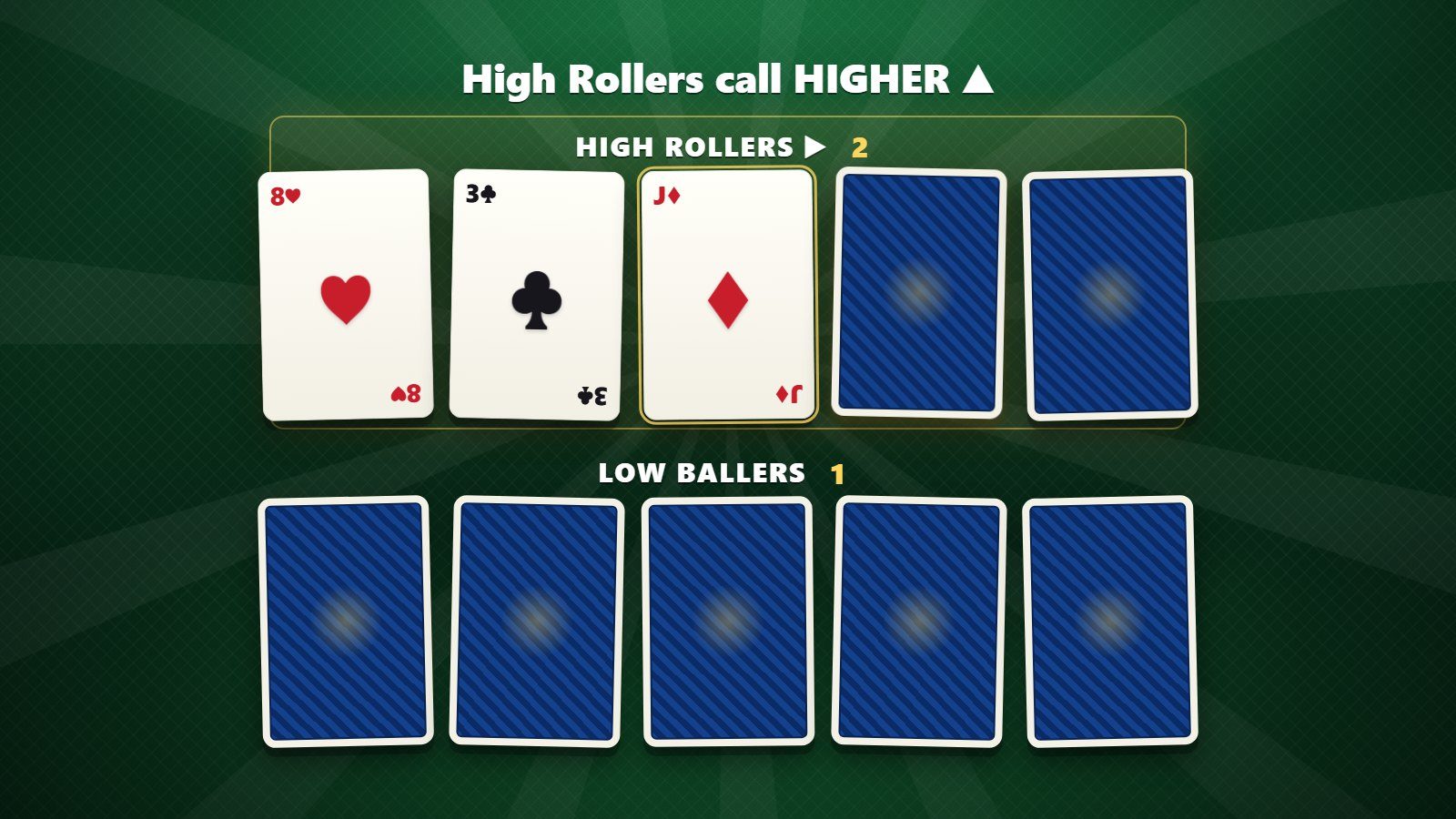
The same lecture research found fewer lapses straight after a demonstration or a clicker question. That reset can be a question for the whole room on their phones, everyone on their feet for sixty seconds, or one of these conference energisers. A short game works too. Higher or Lower, one of the eight game show formats I run, has the whole room shouting before the card flips, and every delegate plays on their phone, nothing to download.
Your own energy matters too. In one study, a single trained actor’s mood spread through a group, and positive contagion brought better cooperation and less conflict. A flat host makes a flat room.
What not to do: scold the room. “Come on, you’re very quiet” puts professional adults on the spot, and cringe, not reluctance, is what kills participation. Protecting the room from an overrunning session is part of the job too. It is what a conference MC is there for.
Reading the room on a panel
A panel is a room inside the room. The systems therapist David Kantor sorts every remark into four types of action: you move, follow, oppose or stand by.
That gives a moderator a quick diagnostic. Two panellists opposing each other in a loop need someone to stand by: summarise both positions and hand the question to the room. A panel where everyone follows has gone soft, so ask for the strongest counter-argument. And the audience upvotes tell you which question the hall wants next.
How is working a room different from reading it?
Working a room means moving through it and talking to people; reading it means watching how the whole group responds. A good host does both, and the first feeds the second.
Talking to tables over coffee gives you names, in-jokes and a sense of who is nervous before you reach the stage. That is your baseline, and half of the MC tips worth knowing.
Is crowd work part of reading the room?
Crowd work is the stand-up comedian’s term for improvised back-and-forth with the audience. A conference host uses a far lighter version. Talk to tables rather than single people, pick volunteers who have already signalled they are happy to join in, and make the room the hero of the moment, never the target.
What reading the room comes down to
Reading the room is noticing early and acting small. Catch three tables drifting and a one-minute change of pace fixes it. Catch half the hall and you need the coffee break.
Engagement is not a gimmick bolted on at the end. It is how you keep a room with you from the first minute. If you want a host who keeps the whole room with you all day, send me the agenda and I will show you where it is likely to dip.

17:00Close
Send me your agenda. I’ll show you where the room comes alive.
A fixed price, a free planning call, and a reply within one working day.