How Do You Run a Start Stop Continue Session? A 60-Minute Plan
In short
- A start stop continue session sorts a group’s ideas into three columns: what to begin, what to drop and what to keep.
- Thomas DeLong’s 2011 Harvard Business Review piece traces the form to a psychology professor and caps it at three bullets per column.
- The 60-minute running order below is my own, built from the published versions.
- Write in silence first, vote, then leave with one or two actions that have a name and a date.
- It works for an events team reviewing its last event, not just a software team.
A start stop continue session is a structured feedback exercise in which a group writes ideas under three headings (start doing, stop doing, continue doing) and then agrees which few to act on. This guide covers how to run one as a facilitator, and how it changes for an events team or a hall.
The method is not mine. I use it when I facilitate, and where I add a rule of my own, I say so.
How do you run a start stop continue session, step by step?
Frame the question, give everyone eight silent minutes to write notes under each heading, merge the duplicates, vote, discuss the top items and finish by giving one or two actions an owner and a date. For eight to twelve people I plan 60 minutes.
| Step | Minutes | What happens |
|---|---|---|
| Frame | 5 | Name the period under review. Say what is off the table. |
| Write alone | 8 | Notes under each heading, silently, three at most per column. |
| Post and merge | 12 | Stick notes up by column. Merge duplicates. |
| Vote | 5 | Three votes each, across all columns. |
| Discuss the top items | 20 | Four or five items, in vote order. |
| Owners and dates | 7 | One or two actions only. |
| Close | 3 | Read the actions aloud. |
The guides give the shape, rarely the timings. Parabol’s template runs reflect, group and vote, discuss, then action plan. Nulab suggests at least half an hour of reflection, which can happen before the meeting. The minutes above are mine.
What goes in each column?
Start holds things the group has not tried, Stop holds things that cost more than they return, and Continue holds things that work and need protecting. EasyRetro describes Start as new ideas, Stop as everyday frustrations and Continue as what produces results.
Two wording rules, both mine. A Stop note names a behaviour, not a person: “chasing speakers for slides on the morning of the event”. A Start note carries a first step, because “better communication” tells nobody what to do on Monday.
The South Carolina facilitation page adds a check worth borrowing: before acting on a Stop item, ask whether it is truly ineffective. Some irritating habits are holding something up.
Do not skip Continue. Nulab warns against underestimating it, and I agree: it stops you fixing something that worked.
Where does start stop continue come from?
The best-sourced account is Thomas DeLong’s 2011 Harvard Business Review article. He says a psychology professor at Brigham Young University, Phil Daniels, taught him a feedback tool called the SKS form: ask others what you should stop, keep and start, with no more than three bullets under each heading.
That is one person’s recollection. I found no primary source for the claim that it dates from the 1970s, so I do not use it. Wikipedia’s SKS process entry says only that agile teams know it as Start/Stop/Continue.
Why write in silence, and why cap the notes?
Silent writing stops the first voice setting the board, and a cap forces choices. DeLong’s three bullets per heading is the origin of my cap. The University of Rochester’s teaching centre says its start, stop, continue evaluations should be totally anonymous, so students do not worry honesty will cost them.
Anonymity is not always possible, so fake most of it: paper notes go in a pile, get shuffled, then go on the board. Rochester runs the form as a mid-course survey and says several students raising the same issue signals a trend.
The Agile Alliance glossary notes that a manager in the room may inhibit discussion of performance, and that the facilitator is responsible for trust. Settle meeting ground rules before you start: who attends, who speaks last and what is said stays in the room.
I have found no study showing silent writing produces more ideas than talking, so I do not claim it. What I have seen across 800+ events is that people hold back because they feel exposed, not because they have nothing to say. A note on paper takes the exposure away.
How do you turn the board into actions?
Pick one or two actions, give each a single owner and a date, and report them back. The Agile Alliance recommends one or two improvement ideas per retrospective, and warns that identical issues recurring may signal an empty ritual.
Here is the arithmetic, as an illustration rather than a case. Ten people write up to three notes in each of three columns: 90 notes at most. Merge the duplicates and perhaps 35 themes remain. Three votes each makes 30 votes. The top four themes get five minutes apiece, and the group commits to two actions.
Nulab says you cannot implement everything at once, and the South Carolina page asks for responsibilities and timelines on each action.
Then close the loop. Columbia’s teaching centre advises reporting back on what you will change, what you are considering and what you cannot change. I would use those three labels for any team, because “cannot” is an honest answer and silence is not.
Running a start stop continue session after an event
An events team runs this best a few days after the event, with the committee or organising group in the room. Parabol names the end of a large project or after an event as good moments, and suggests a few days to a week later while memories are fresh.
Change the prompts to the event’s own moving parts. What should we start doing at the registration desk? What should we stop doing in the speaker briefing? What should we continue doing with the running order?
Keep it separate from attendee feedback. A conference feedback form tells you what delegates saw. This session tells you what the team did, and it is the place to decide what the form’s answers mean for next year.
Picture a gala committee of eight, meeting four days after the dinner. Four of them write the same Stop note: the table plan arrived late. That is one theme, and it becomes one action with an owner. (An invented example, not a client.)
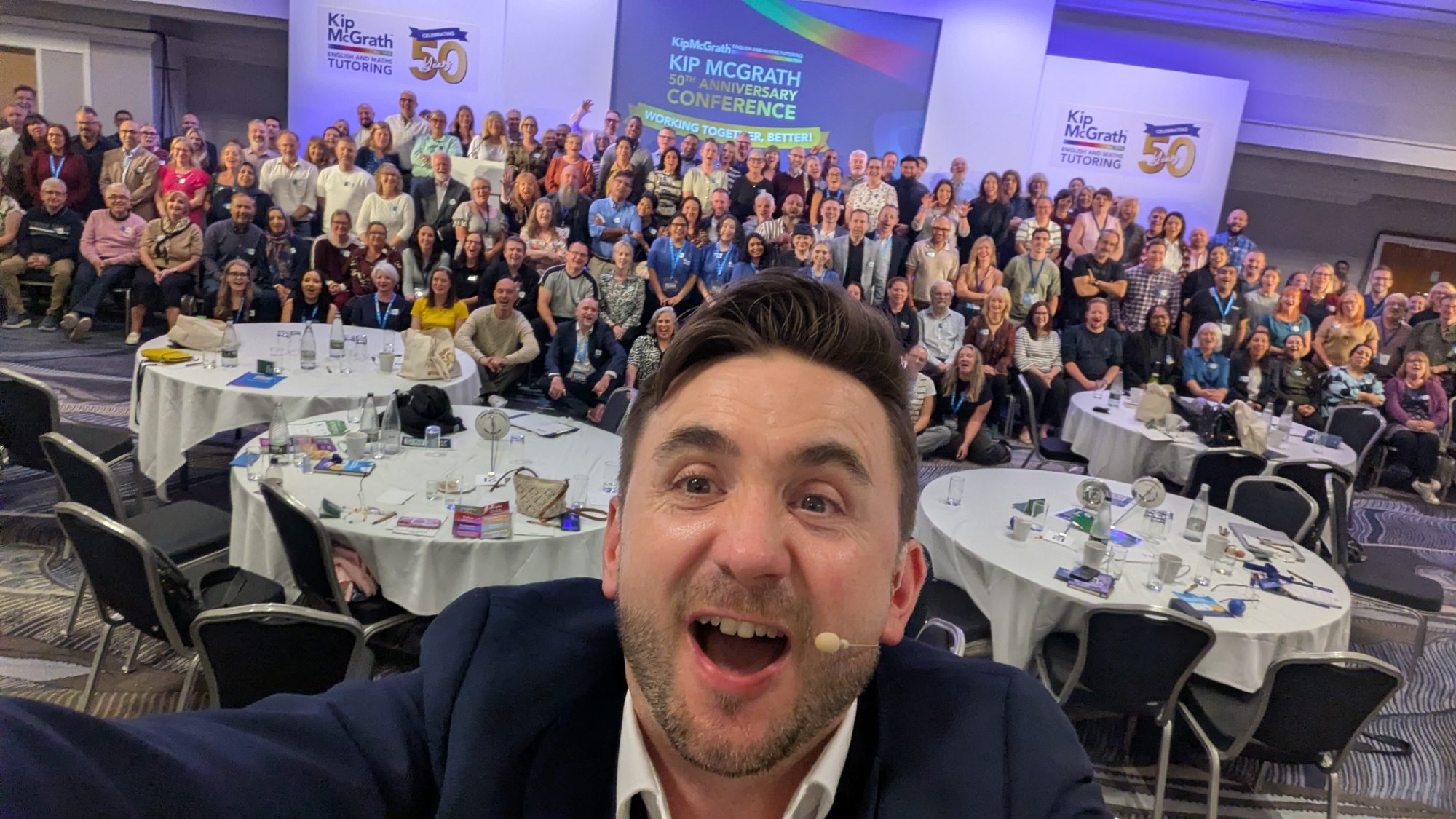
Start stop continue in a hall of 200
This format was designed for a table, not for a hall, so scale it by tables. Each table of eight agrees one Start, one Stop and one Continue. With 25 tables that is 75 cards, which the host sorts onto three boards and reads aloud by repeat count.
Within each table, go alone, then pairs, then fours. The 1-2-4-All structure takes about 15 minutes and gives every voice a turn; my liberating structures guide has more. For a software team, see the sprint retrospective.
My live Q&A software, RoomReader, is included with hosting and runs in the phone browser with nothing to download, so a delegate can send a note from their seat rather than a table card.
When is it worth hiring a facilitator for it?
Run it yourself for a team of twelve or fewer, where you are not the most senior person. A timer, a marker and the table above are enough.
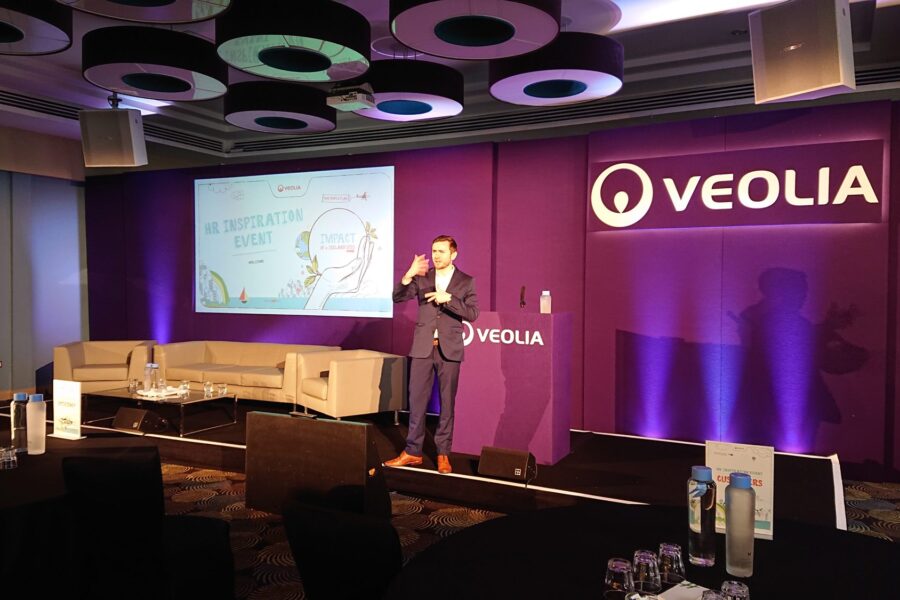
Bring someone in when you manage the people whose habits are on the Stop list, when the last review changed nothing, or when the group is large. A neutral facilitator holds the clock, protects the quiet voices and stops the loudest note setting the agenda. That is part of my work as a conference facilitator.
What to have ready when you get in touch
Send the date, the number of people, who will be in the room, the event or period under review and what went wrong last time. Each event gets its own quote, and the price I quote is the price you pay, with nothing added later. To check availability with a conference host who will run the session, email hello@conferencehost.uk or call 07596 851647.


17:00Close
Send me your agenda. I’ll show you where the room comes alive.
A fixed price, a free planning call, and a reply within one working day.