Roundtable Discussion: Format, Seating and How to Moderate One

TL;DR
- A roundtable discussion is a closed, moderated conversation between equals on one topic, usually 8 to 12 people around a single table, with no audience watching.
- It is not a panel. A panel performs for a room. A roundtable talks among itself, and the moderator mostly listens.
- Seat 8 to 10 on a 5ft or 6ft round, no head of the table, and mix people so no organisation clusters.
- The moderator’s job: a short opening framed as questions, a fast round of introductions, three or four questions, and even airtime.
- Use the Chatham House Rule when candour matters, read it out word for word, and say it covers social media.
A roundtable discussion is the one conference format where the people in the room are the content. There is no stage and nobody watching. You have eight to twelve people with something to say, one topic, and a moderator who keeps it honest.
That simplicity is why so many go wrong. Here is the format, the seating and the moderation, plus what changes with twenty tables in one hall.
What is a roundtable discussion?
A roundtable discussion is a structured conversation where everyone at the table has an equal right to speak. The Cambridge Dictionary defines a round table as a meeting where everyone is considered equal in importance.
Participedia puts the usual size at 10 to 12 people, invited and closed to the public, with a chair who includes everyone rather than leads.
The equality idea is old. The earliest known account of King Arthur’s table, in Wace’s Roman de Brut of 1155, says it was made to prevent quarrels among barons, none of whom would accept a lower seat. No head of the table, no pecking order: still the roundtable meaning today.
Is it roundtable or round table discussion?
Both are correct. The difference is grammar. The Guardian style guide uses “roundtable” as the adjective and “round table” as the noun: you hold a roundtable discussion at a round table.
Say “a roundtable” on its own and people assume you mean the session. Pick one form for your agenda and stick to it.
How is a roundtable discussion different from a panel?
A panel performs for an audience. A roundtable talks among itself. IBTM describes roundtables as an organic conversation between speakers, where a panel is closer to a group interview.
| Format | Who talks | Audience | Moderator’s role |
|---|---|---|---|
| Panel discussion | 3 to 5 speakers on stage | Yes, watching | Asks the questions, runs the audience Q&A |
| Fireside chat | One guest and a host | Yes, watching | Interviews one person in depth |
| Roundtable | Everyone at the table | None, or a few observers | Frames, then mostly listens |
| Breakout session | Small groups split from plenary | No | Sets the task, gathers report-backs |
| World café | Rotating table groups | No | Sets questions, harvests themes |
The practical test: if the people speaking are a different group from the people listening, it is not a roundtable.
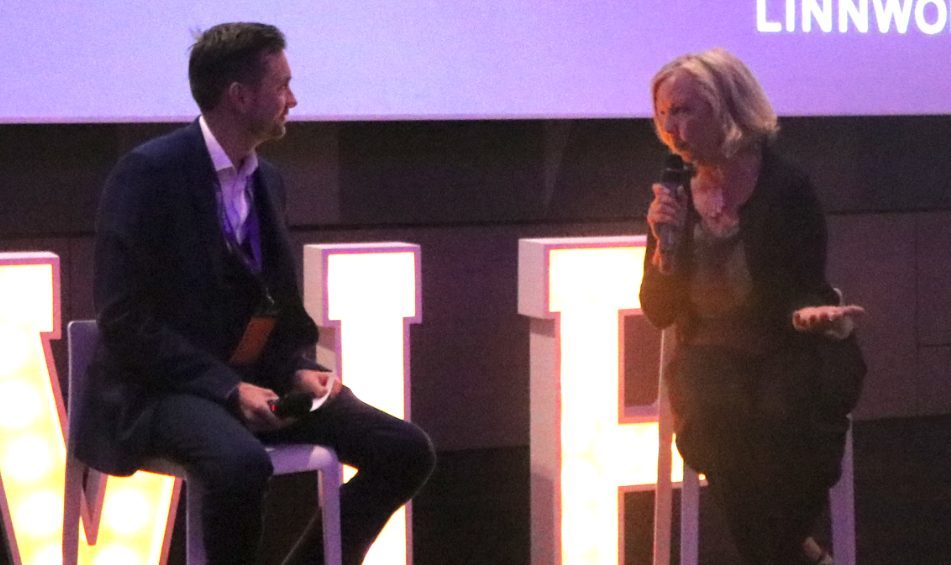
How many people should sit at a roundtable?
Eight to ten participants plus a moderator. That is the sweet spot for one shared conversation. Go above twelve and it splits into side chats; go below six and it feels like a meeting that lost its invitees.
A 1995 study in Human Nature found an upper limit of about four people in spontaneous conversation, a ceiling set by how speech is produced and heard. A roundtable beats that limit only because the moderator keeps one conversation going instead of three.
The same paper cites about 1.7 metres as the maximum comfortable conversation distance. Remember that before booking the boardroom table for twenty.
Seating a roundtable: table, layout and place cards
Round is the point. Use a real round table. A US university facilities guide lists a 5ft round as seating 8 to 10 and a 6ft round 10 to 12. For a discussion, seat the lower number. People need elbow room and a clear view of every face.
A few rules for a single roundtable:
- No head of the table. The moderator sits among the participants.
- Use place cards. Split colleagues from the same organisation, and seat the most senior person away from the moderator so the conversation does not orbit them.
- Find a quiet room or a quiet corner, because background noise shrinks the group that can follow one voice.
If more than about twelve people need to be heard, run a panel or split into several tables.
How do you moderate a roundtable discussion?
Frame the topic, get everyone speaking early, then listen and steer. The moderator who talks most has run a panel at a table by mistake.
The Game Developers Conference tells its roundtable moderators to open with a five-minute speech framed as questions, and warns them not to hog the show. For a confident chair that is the hardest part. The room has to own the conversation.
A plan that works for 60 minutes:
- Opening (3 to 5 minutes). Why this topic, why this group, what is out of scope, and the ground rules, including Chatham House if you are using it.
- Introductions (one sentence each). The Royal Geographical Society asks roundtable participants to give their name and affiliation. Add one line on their stake in the topic, and everyone has spoken in the first ten minutes.
- Three or four questions. Open, specific, and in an order that builds. The question craft is the same as for a panel, except you put each question to the whole table.
- Airtime. Watch who has not spoken and invite them by name with a specific prompt. Research in Science found groups where one person dominated were less collectively intelligent.
- The close (5 minutes). Read back the two or three points of agreement and the one real disagreement, and say what happens to them next.
Most of the panel moderation toolkit carries over: preparation, timing and a firm, polite way to stop a monologue.
What is the Chatham House Rule, and should a roundtable use it?
The Chatham House Rule lets people use what was said without revealing who said it. Chatham House gives the exact wording as:
“When a meeting, or part thereof, is held under the Chatham House Rule, participants are free to use the information received, but neither the identity nor the affiliation of the speaker(s), nor that of any other participant, may be revealed.”
The Rule was devised in 1927 and refined in 1992 and 2002. It is singular, so say “the Chatham House Rule”, not “Rules”. Chatham House says it covers social media too: no photos or video in the room, and posts may report what was said but must not identify anyone.
Use it when people need to speak as individuals rather than as their organisation’s press office. Announce it at the start, read it word for word, and put it on the invitation so nobody is surprised.
Running several roundtable discussions in one hall
At a conference, “roundtables” often means twenty tables in one room at once. Now it has to be designed for a hall, not for twelve people in a training room. You need a facilitator at each table and a host on stage who runs the clock for everyone.
The RGS guidance uses tables of ten with a facilitator each, suggests people rotate after 20 minutes, and allows two to five minutes of feedback per table. Twenty tables at three minutes each is an hour of report-backs, so most halls cannot hear from everyone.
A better pattern: brief the table facilitators before doors open, put the question on screen, keep the time from the stage, and have each table send its strongest point to a live Q&A screen. When I host, that runs on RoomReader, my own Q&A software, included with the hosting. Then invite three or four tables to speak to the points the whole room has seen.
Watch the noise, too. Leave space between tables and keep the music off while they talk.
What is a roundtable conference?
A roundtable conference is an event built around roundtables rather than keynotes, often an invite-only meeting of senior people on one problem. The name has history: the Round Table Conferences held in London between 1930 and 1932 discussed constitutional reform in India.
Today a roundtable event might be a single executive breakfast for ten or a full-day programme of themed tables. Either way, the attendees are the speakers.
Where roundtables go wrong
- The sales pitch in disguise: a sponsor’s roundtable that is really a demo. People notice within five minutes and rarely come back.
- The panel at a table. The moderator interviews each person in turn, so the cross-talk that makes a roundtable worth attending never starts.
- One voice. The most senior person speaks first and longest, and the rest agree.
- No output. An hour of good talk and nobody wrote it down. Name a note-taker before you start.
- Forced participation. Going round the table demanding opinions feels like school, and cringe, not reluctance, is what kills participation. Invite views and let people pass.
Getting the room to talk
A good roundtable discussion feels effortless because the work happened beforehand: the right ten people, the right table, three sharp questions, and a moderator who knows when to stay quiet.
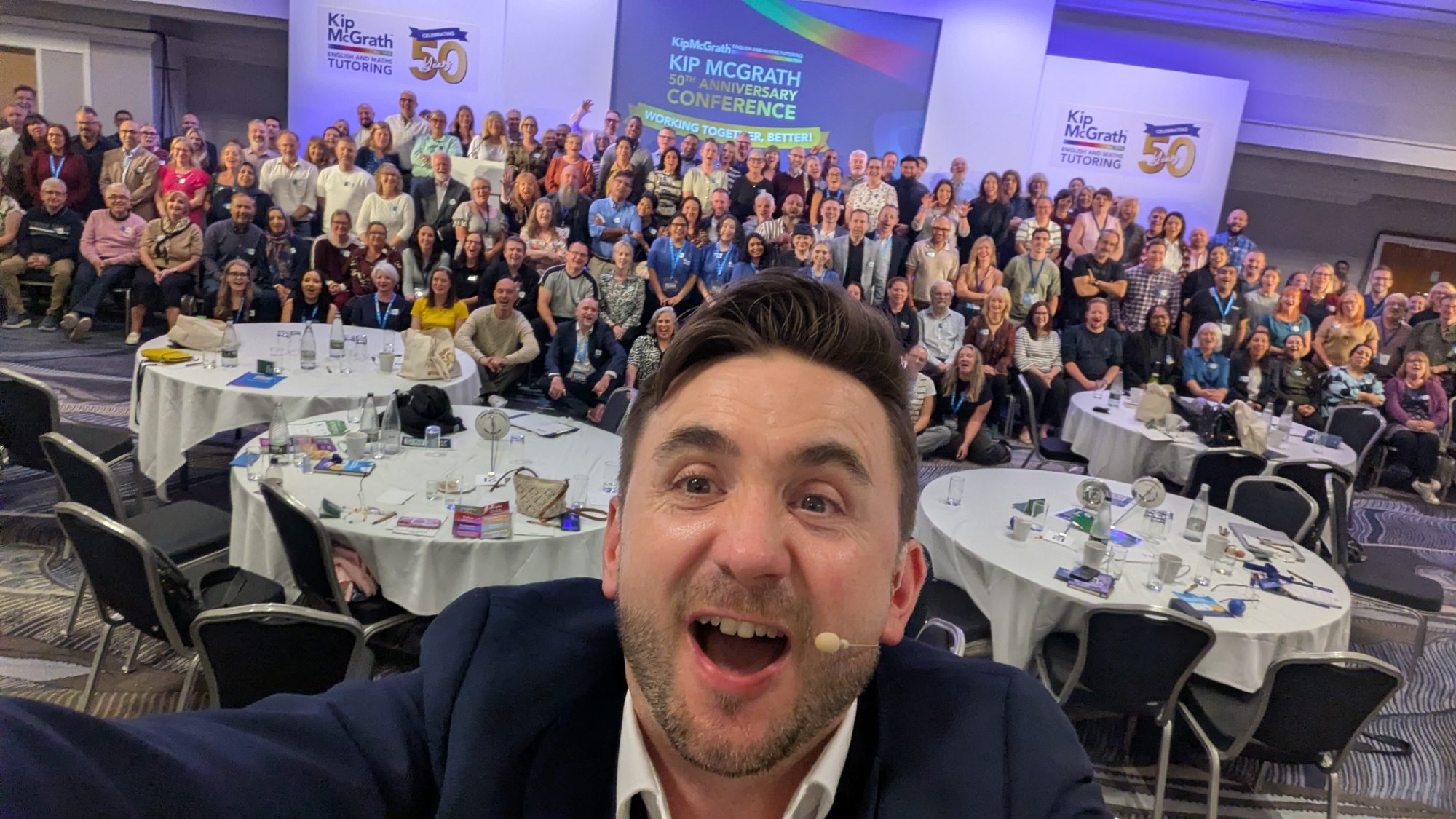
Planning a roundtable programme? I have hosted more than 800 events as a conference host and event moderator. I can brief your facilitators, keep the clock and put the best of the conversation in front of everyone. Send the agenda and I will tell you how I would run it.

17:00Close
Send me your agenda. I’ll show you where the room comes alive.
A fixed price, a free planning call, and a reply within one working day.