Corporate Event Ideas That Keep the Whole Room Involved
TL;DR
- Pick corporate event ideas by event type. A conference, a product launch, a client evening and an awards night each need a different kind of involvement.
- Interactive formats beat a run of talks. Put a whole-room game at the cold open and a competitive round in the post-lunch slump.
- At client events and networking receptions, people stick with who they know unless the format mixes them for you.
- Awards nights lose the room between courses. Keep award blocks short and give the tables who are not winning something to play.
- Plan the last ten minutes as carefully as the first. People remember the end.
Most lists of corporate event ideas are really lists of team days out: go-karting, cocktail classes, an escape room. Fine for a team day. This guide is about the events where you put a whole room together for a reason (a conference, a product launch, a client evening, an awards night) and how to keep everyone in that room involved, not just watching.
What counts as a corporate event?
A corporate event is any event an organisation runs for its staff, clients or partners to achieve a business goal. That covers conferences, product launches, client hospitality, awards nights, networking receptions and internal meetings. The UK Conference and Meeting Survey estimated 964,000 conferences and meetings in the UK in 2023, and 55% of them were corporate.
Some corporate events have their own playbooks, so they get one line each here. Team building and away days work best when they are built around a real work problem. Work Christmas parties need inclusive, low-cringe games. Town halls live or die on honest Q&A. And kick-offs follow their own rhythm, which the guide to sales kickoff ideas covers.
Corporate event ideas by event type
| Event type | What it is for | Idea that keeps the room involved |
|---|---|---|
| Conference | Sharing knowledge, aligning people | A whole-room game at the open, live Q&A all day, a competitive round after lunch |
| Product launch | Making a message stick | A reveal, demo stations, then a quiz on the launch itself |
| Client event | Building relationships | Mixed tables of clients and staff, one strong conversation on stage |
| Networking reception | New connections | Assigned teams, hosted introductions, a short game to break the clusters |
| Awards night | Recognition | Short award blocks, leaders presenting, a game between courses |
The right-hand column is the part most organisers leave out. Engagement is not a gimmick bolted on at the end. It is how you keep a room with you from the first minute.
What are good corporate event ideas for a conference?
Good conference ideas swap passive listening for moments where every delegate does something. A run of keynotes is the default. It is also the weakest format for holding a room.
The energy in a room is a curve, and I have watched it for twenty years: the cold open at 9am, the slump after lunch, the awkward gap before networking. Good conference ideas are aimed at those exact moments.
The evidence on lectures is blunt. A meta-analysis of 225 studies of university science teaching found average failure rates of 33.8% under traditional lecturing against 21.8% with active learning. A conference is not a classroom, but the lesson travels. People stay with you when they have something to do.
Ideas that work in a hall:
- Open with a whole-room game. The cold 9am open is the hardest moment of the day. A quick quiz round on the theme of the conference, played on phones, gets every delegate doing something in the first ten minutes.
- Run live Q&A all day, not just at the end. Let delegates send questions from their phones whenever they think of them, then vote the best ones up. I built my own live Q&A software, RoomReader, for exactly this, and it is included with my hosting.
- Swap one keynote for a conversation. A panel or an interview with audience questions breaks the rhythm of slides.
- Aim a competitive round at 1:30pm. The post-lunch dip can happen even when people have skipped lunch, and a high-carbohydrate lunch makes it worse.
For in-session techniques (polls, table tasks, quick votes), the guide to audience engagement ideas goes deeper.
How do you make a product launch interactive?
Make the audience use the information, not just hear it. Most launches have three or four messages that matter. Your job is to send people away remembering them.
The research is on your side here. In a classic memory study, students who were tested on material remembered substantially more two days and a week later than students who reread it. Rereading only looked better on a test five minutes later.
So for an internal launch to a sales team, follow the reveal with a quiz round where the questions are the key messages. Every right answer is a rep rehearsing the pitch without noticing. For a customer or partner launch:
- Build a genuine reveal moment, and put it after the context, not before.
- Replace a second hour of slides with demo stations people walk between.
- Take questions from phones, so nobody has to raise a hand in front of a competitor.
What client event ideas actually build relationships?
The ones that give clients a reason to talk to you, not just a reason to turn up. A client event is hospitality with a purpose. Build the format around the purpose.
Two facts set the frame first. The Ministry of Justice guidance on the Bribery Act says it is not meant to prohibit reasonable and proportionate hospitality that builds relations or presents products. And HMRC treats business entertainment as not allowable as a deduction against profits. It is real money. Make it count.
Ideas that do:
- Seat clients with staff they do not usually deal with, not with their own account manager.
- Put one strong conversation on stage: interview a client or an industry guest for 20 minutes, then open it to the room.
- Run a table quiz with mixed teams. Clients and staff on the same team, playing against other tables, talk to each other without anyone forcing it.
- Content first, hospitality second: a short briefing gives the dinner something to talk about.
How do you run a corporate networking event people do not hide from?
Give the room a structure that moves people. Left alone, they drift back to the people they already know, and that is not a guess. Columbia researchers tracked guests at a business mixer with electronic name tags. Guests already knew about a third of the room, and 95% of them said they came to meet new people. Yet the average guest had 14 encounters, and friends accounted for half of them.
Structures that fix it:
- Put people into teams before they arrive, and make the first activity a team game.
- Have the host make a few introductions from the stage: who is here, and who should find whom.
- Put one conversation question on the screen every ten minutes.
- End the networking with something everyone does together, so the clusters break up.
Awards night ideas that keep the room past the main course
An awards night has a built-in problem. A handful of people win, and everyone else spends the evening clapping. The ideas that work keep the other tables in the game.
Who presents matters. In Gallup’s research, the most memorable recognition came most often from an employee’s own manager (28%) or a senior leader or CEO (24%). So have leaders hand over the awards and read a citation in their own words.

Then pace the night:
- Split the awards into two or three short blocks between courses, not one long block after dessert.
- Run a game round between blocks, with tables as teams, so the room has something to play for.
- Finish on the biggest award. Not the raffle, and never the housekeeping.
Check the budget early too. HMRC’s annual function exemption covers events up to £150 per head, but only if the event recurs every year and is open to staff generally. If the cost goes over, the whole cost per head becomes taxable, not just the excess. The guide to hosting awards covers the running order in detail.
Which corporate event entertainment ideas suit a professional crowd?
Entertainment the whole room can take part in, without anyone being put on the spot. An act on stage gives people something to watch. A format everyone plays gives them something to do, and that is what they talk about on the way home.
I have hosted more than 800 events, and my view is simple: professional adults will happily take part if the format removes the risk of looking foolish. Cringe, not reluctance, is what kills participation. So:
- Score tables or teams, never individuals.
- Make every role possible sitting down.
- Write rounds about the company, the industry or the year, so the content is shared.
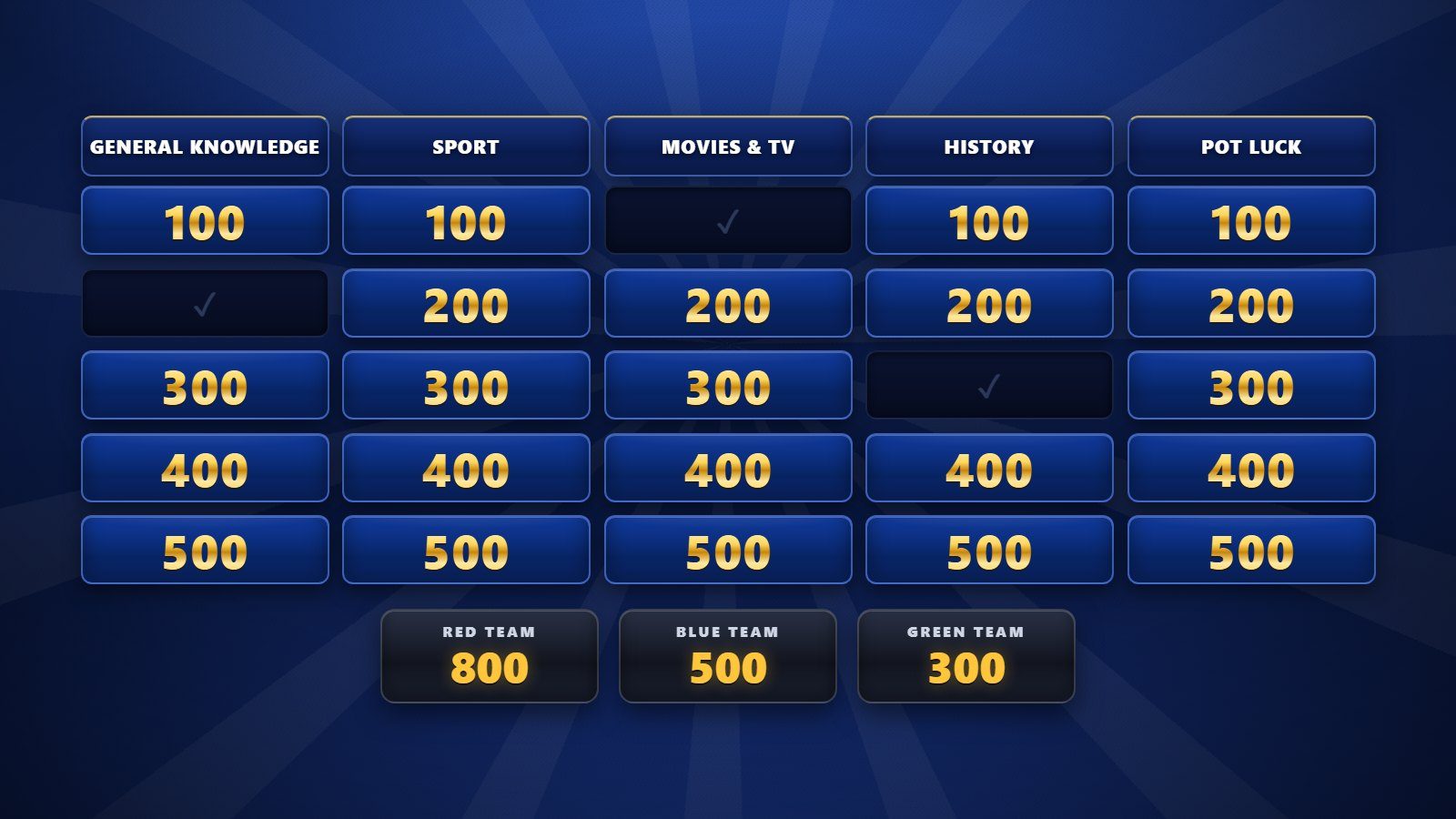
That is why I run eight whole-room conference games, from Top Answers to Higher or Lower, where every delegate plays on their phone, with nothing to download. They are designed for a hall, not for twelve people in a training room, so the same corporate event games work for 50 people or 500.
Plan the last ten minutes
The end of an event matters more than most running orders allow for. In a famous 1993 experiment, people held a hand in painfully cold water for 60 seconds, then for 90 seconds where the last 30 were slightly less cold. Most chose to repeat the longer trial, because it ended better. The researchers found that how people judge an experience afterwards is often dominated by the worst moment and the final moments. Length barely registers.
So do not end on housekeeping, a list of thank-yous or a slide of logos. End on the result of the game, the biggest award, or the one decision everyone leaves with.
If you are planning a conference, launch, client evening or awards night and want a host who keeps the whole room with you, send the agenda or check availability through the booking page.

17:00Close
Send me your agenda. I’ll show you where the room comes alive.
A fixed price, a free planning call, and a reply within one working day.