Audience Engagement Ideas for Conferences and Events

TL;DR
- Match the idea to the moment. The cold 9am open, the mid-session drift, the post-lunch slump and the close each need a different move.
- Openers should remove the risk of looking foolish. Professional adults take part when the format is safe, not childish.
- Keep everyone playing at once. A whole-room format beats picking volunteers or waiting for brave hands.
- Scale the idea to the room. What works for twelve people in a training room falls flat in a hall of 200.
- Close on something the room did together, so the last thing they feel is momentum, not relief.
Audience engagement ideas are only as good as the moment you use them. A brilliant opener wasted at 3pm does nothing for a flat post-lunch room, and a quiet reflection exercise at 9am leaves a cold audience colder. This is a practical bank of engagement ideas, grouped by the moment in the day and by the size of the room, so you can pick the right move at the right time.
The energy in a room is a curve. I have watched it for twenty years across 800 events: the cold open at 9am, the slump after lunch at about half past one, and the awkward gap before networking. The ideas below are aimed at those exact points, not scattered at random.
Why group engagement ideas by moment?
Because a room’s attention is not flat, so your engagement ideas should not be either. Energy rises and falls across a conference day in a predictable curve, and the same activity lands completely differently depending on where you drop it.
At 9am the room is cold and cautious. Mid-morning it is warm and will take on something harder. After lunch it dips sharply. By the close, people are tired but want a sense of arriving somewhere.
A simple way to plan: sketch the agenda, mark the three danger points (cold open, post-lunch, pre-networking), and assign one deliberate engagement move to each. Let the rest of the day flow naturally. You do not need a gimmick every ten minutes. You need the right one at the three moments a room is most likely to go flat.
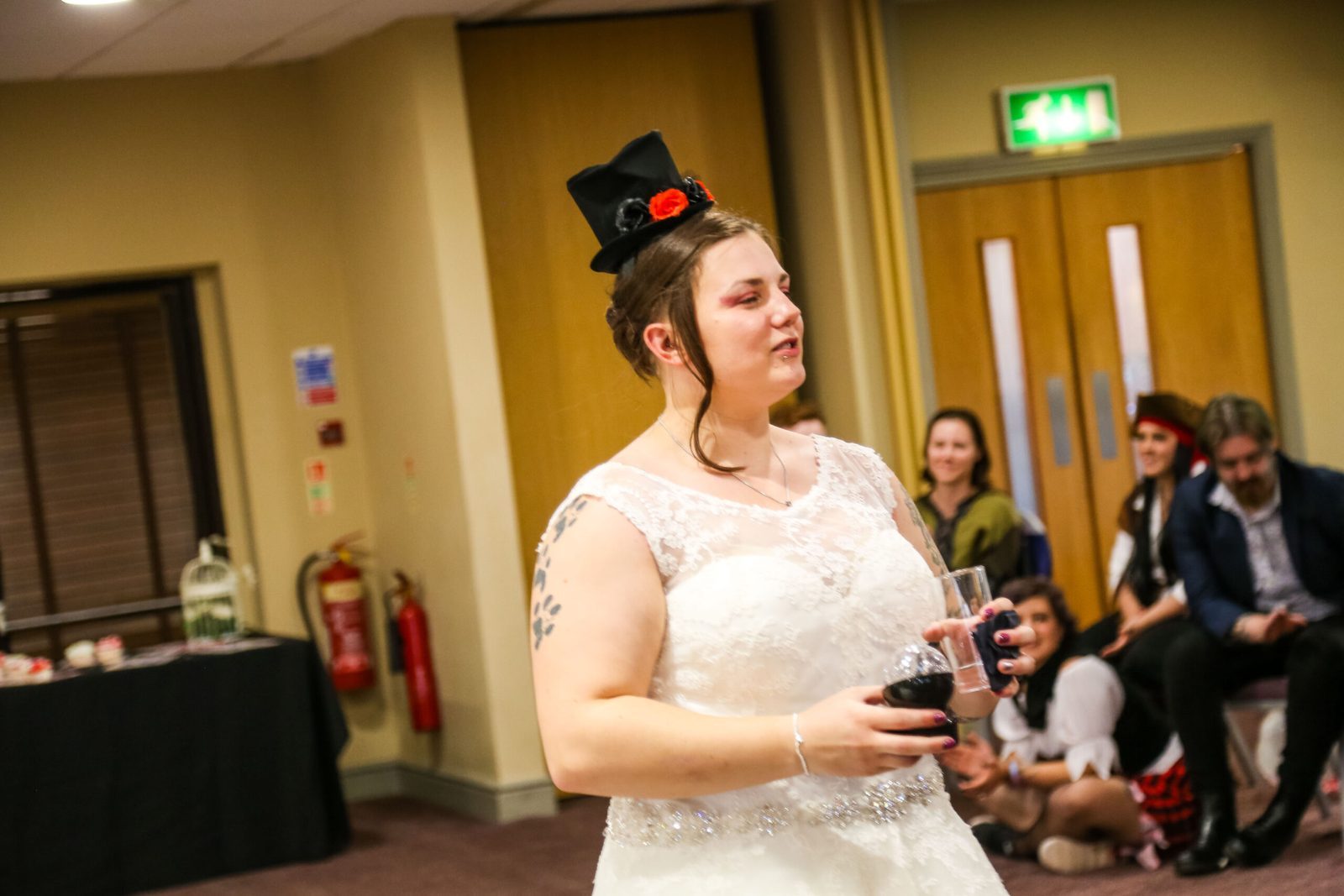
What works for the cold 9am open?
Start with something low-risk that every person can do from their seat, without standing up or speaking in front of strangers. A cold room will not volunteer, so remove the need to volunteer.
Openers that work at 9am:
- A live poll with a playful first question. Not “how are you feeling”, something with an opinion in it. Everyone answers on their phone and the results land on the big screen in seconds.
- A one-word check-in typed from phones and shown as a live word cloud, so the room sees itself before anyone has spoken aloud.
- A quick “guess the number” tied to the day’s theme, with the answer revealed after the on-screen guesses stack up.
- A three-question quiz on the company or the topic, played on phones, with no losers named.
The rule at 9am: no one gets picked on, no one has to stand, everyone contributes at once. That is the difference between a real open and a polite silence. My audience engagement work leans on phone-based formats for exactly this reason. They let a shy room take part without exposure.
Which mid-session ideas keep a big room with you?
Use interaction that breaks up the talking, because mid-morning attention drifts as soon as one voice runs too long. This is the window where a room will happily do something a little more demanding, so it is the right time for the more active formats.
Ideas for the mid-session stretch:
- Live Q&A where delegates post questions from their phones and upvote each other’s, so the best questions rise instead of the loudest voice winning. See how live Q&A changes the room dynamic.
- Table challenges with a timed answer submitted from one phone per table, turning passive listening into a quick group task.
- A rolling poll between speakers that carries a thread through the morning, so each session builds on the last.
- Short “predict the result” votes before a speaker reveals their data, so the audience has a stake in the answer.
Keep each burst short. Two to four minutes of interaction resets attention and hands the room back to the next speaker warmer than you found it.
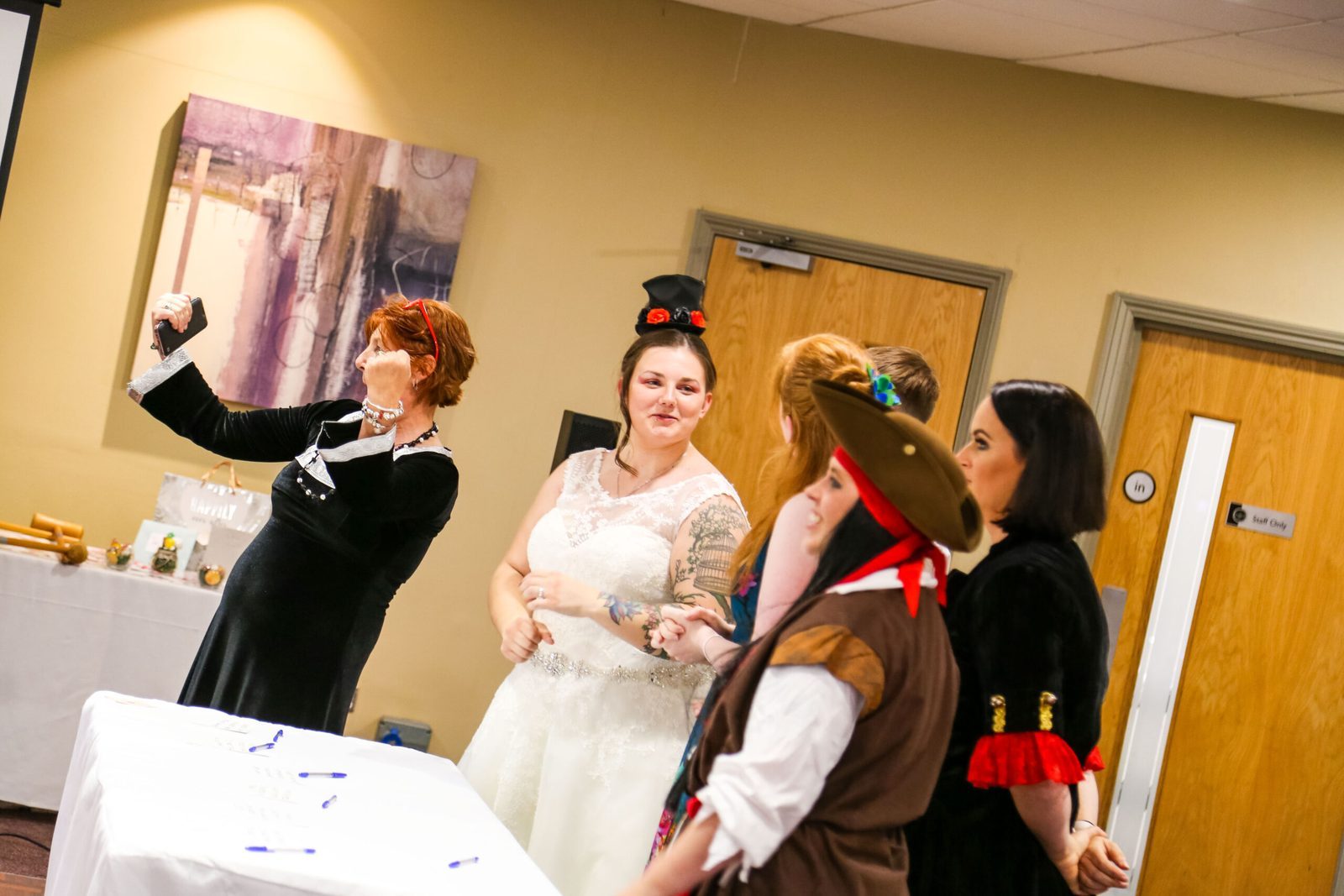
How do you beat the post-lunch slump?
Change the format completely, because the post-lunch slump is a physical dip that no amount of a good slide will fix. Around half past one, energy drops and the room goes quiet. This is the one slot where I always plan something game-based rather than another talk.
What lifts a room after lunch:
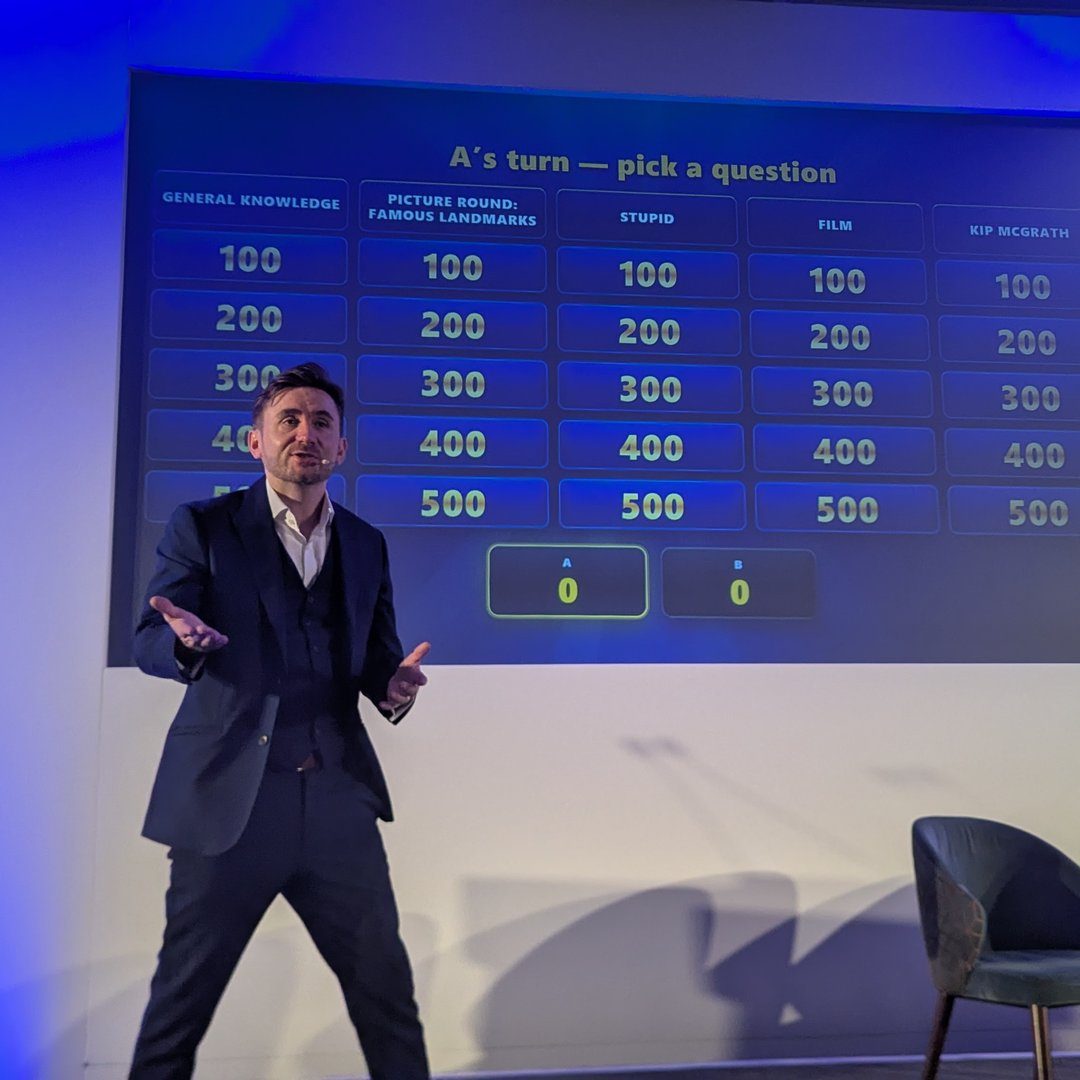
- A whole-room game show played on phones, where every delegate competes at once with nothing to download. Formats built for a hall, not for twelve people, are designed for exactly this dip.
- A fast head-to-head format like higher or lower, where the whole room stands and sits as they are knocked out.
- A team leaderboard that runs across the afternoon, so the energy from the game carries into the sessions that follow.
- A deliberate move: get the room physically up and re-seated by a rule, then straight into the next item while they are awake.
The mistake is to schedule your driest content right after lunch and hope. Put the energy first, then the content lands on a room that is actually listening. If you want ready-made formats for this slot, my conference games are built for the whole room to play at once.
Closing engagement ideas that make the room remember it
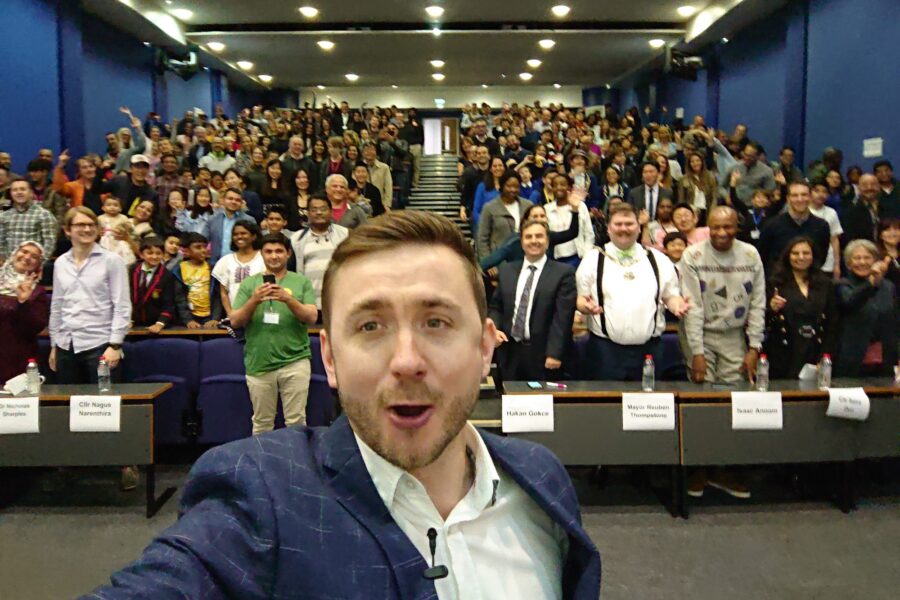
End on something the whole room did together, because the last few minutes are what people carry out of the door. A strong close beats a summary slide every time. These closing engagement ideas turn a fade-out into a finish.
Closes that work:
- A final live poll that captures one commitment or takeaway per person, shown on screen as the room’s collective answer.
- A celebratory game or a leaderboard finale that names the winning table, so people leave on a shared high.
- A “one thing I will do differently” word cloud, built live, that doubles as a genuine record of the day.
- A short, sincere thank-you tied to something that actually happened in the room, not a generic sign-off.
Avoid the limp ending: reading the agenda back, or “well, that is us for today”. Give the room a last moment of doing something together and the day feels finished, not merely stopped.
Matching ideas to room size
Room size changes everything, and it is the factor most listicles ignore. An idea built for twelve people does not scale to a hall, and a whole-room format can feel over-engineered for a small team meeting. Match the move to the headcount.
| Room size | What tends to work | What to avoid |
|---|---|---|
| Up to 20 | Round-the-room answers, table talk, spoken check-ins | Anything so big it needs a screen and a host |
| 20 to 80 | Phone polls, table challenges, upvoted Q&A | Picking on individuals, long silences |
| 80 to 300+ | Whole-room phone games, live word clouds, leaderboards | “Turn to your neighbour”, show of hands, individual answers |
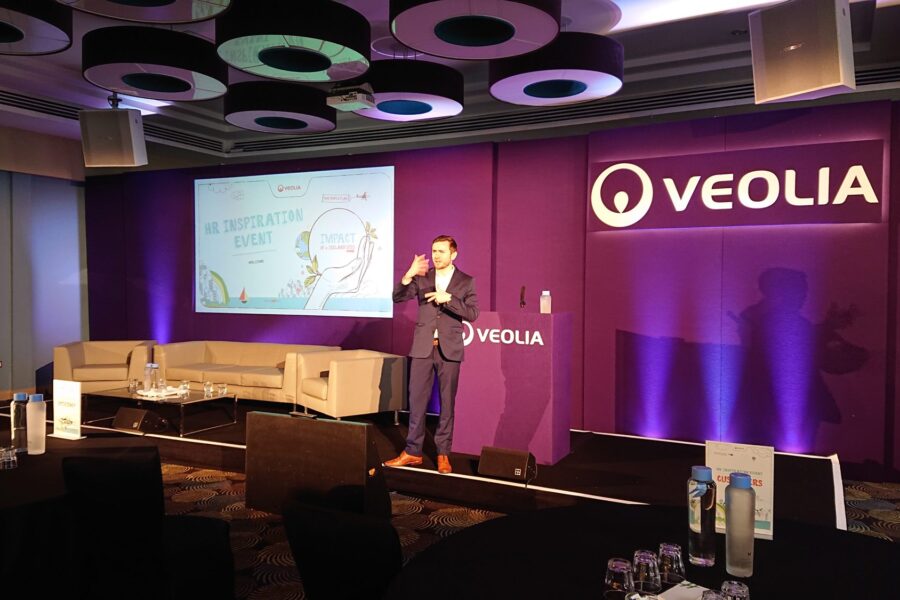
The principle holds across every size: the bigger the room, the more everyone needs to take part at once, and the less you can rely on brave volunteers. In a hall, phone-based formats let every delegate play without standing up or reaching for a microphone.
Every idea here passes the same test. Does it let a professional adult take part without any risk of looking foolish? Cringe is what kills participation, not reluctance. Remove the exposure, keep everyone playing at once, aim the move at the right moment in the day, and a room of hundreds will engage as readily as a room of ten.
17:00Close
Send me your agenda. I’ll show you where the room comes alive.
A fixed price, a free planning call, and a reply within one working day.