Conference host, MC, facilitator or moderator: which one do you need?
Host, MC, compere, facilitator, moderator: the titles overlap far more than the labels suggest. What each one means, where they differ, and which your conference needs.
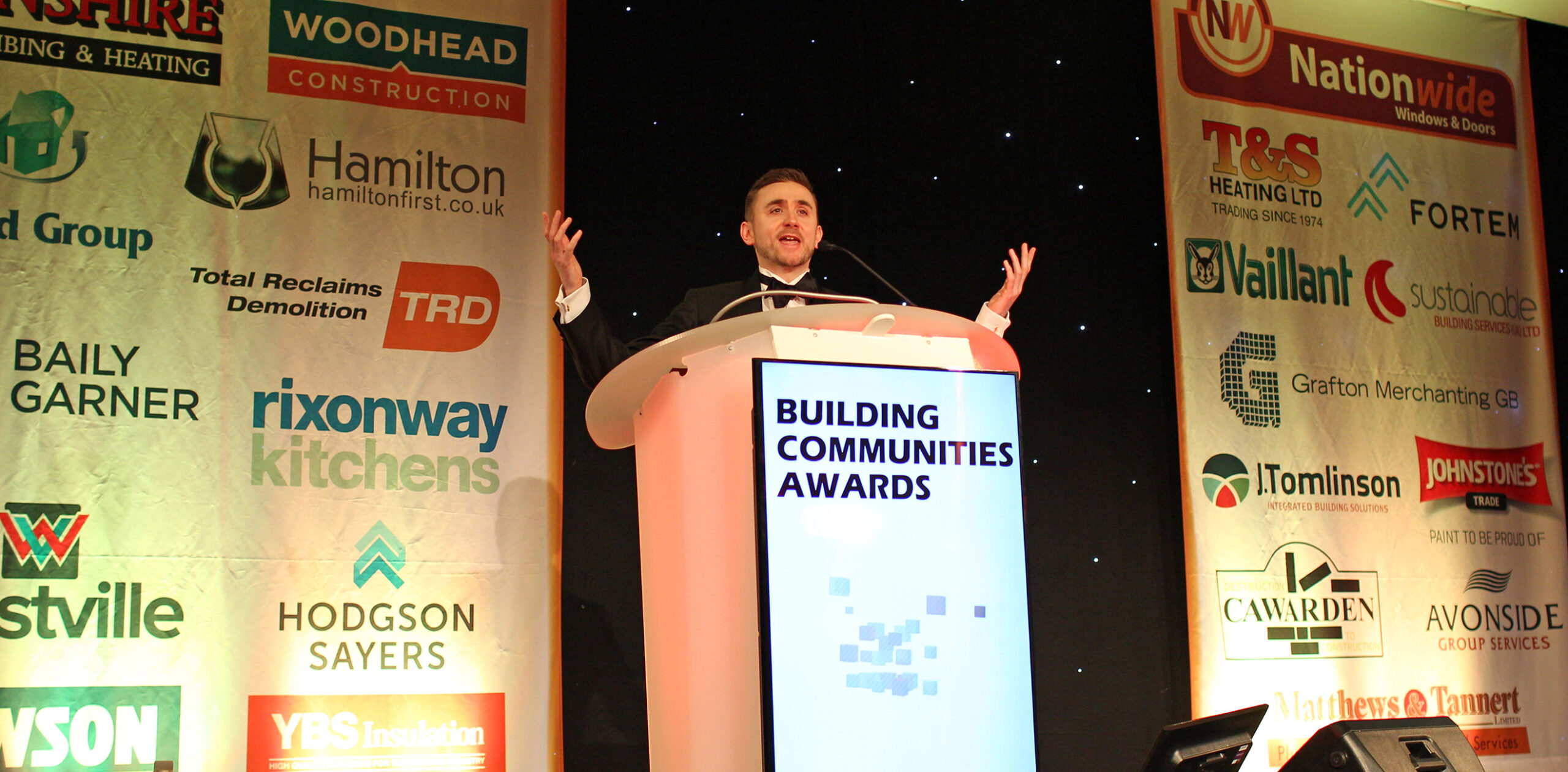
For most corporate conferences you need one professional who can do all four jobs. A host carries the energy of the room, an MC guards the running order, a facilitator draws the audience into the content, and a moderator runs the panel. The titles overlap heavily. The skills are what you are actually booking.
In short
- Conference host, MC, compere, facilitator and moderator are not standardised titles, and the people who use them overlap far more than the labels suggest.
- The difference is emphasis: an MC prioritises the programme, a host prioritises the room, a facilitator prioritises what the audience gets out of it, and a moderator prioritises one conversation.
- A chair is different again: usually a subject expert steering a single session, not the person running the day.
- Splitting the roles between people creates the seams an audience notices, which is why one experienced person usually covers all of them.
- Whatever the title, ask: can they run a full day, do they moderate panels, and what happens in the briefing.
If you are planning a conference and looking for the person to run it, you will hit a terminology problem almost immediately. Different professionals describe themselves as a conference host, an MC, a compere, a facilitator, a moderator, or some combination of all five. I have lost count of the conference days I have watched go quiet at two in the afternoon, with strong content and speakers who knew their material, because nobody in any of those roles was actually holding the day together. So here is what each title means, where they differ, and which one your event needs.
What is a conference host?
A conference host guides the audience through a full business event: opening the day, linking speakers, running the interactive segments, managing the clock and closing the conference. The title tends to be preferred for full-day and multi-day events where the emphasis is on sustained audience management rather than ceremony. A host shapes the atmosphere across several hours, adjusts their energy to the room, and keeps delegates with the content through the post-lunch dip and the late-afternoon stretch.
When I host a conference, the skills that matter most are energy management across a long running time, keeping presenters to time without creating awkwardness, and adjusting the programme live when a session runs over or under. The host makes the room feel like a room, not a schedule being read aloud.
What is a conference MC?
A conference MC performs the same core functions as a host, with the emphasis on formal structure. MC stands for master of ceremonies, and the role has old roots: Wikipedia traces it to church officials responsible for overseeing elaborate rituals, where the correct sequence of proceedings was the whole point. In a corporate setting those roots translate into a particular care for the running order, formal speaker introductions and clean transitions. The MC is the guardian of the programme.
In UK events you will also hear “compere”, a term with roots in variety entertainment and still common for formats with several acts or performers. A conference MC, a compere and a host describe the same core function. The MC label simply signals that precision and protocol come first.
What is a conference facilitator?
A conference facilitator is responsible for the flow of the event and for how the audience engages with it: the transitions, the timing, the energy of the room and the quality of the interaction. The International Association of Facilitators describes facilitation as helping a group think together and reach outcomes, with the facilitator as an impartial process guide rather than the content expert. In a conference that means keeping the day on track so the speakers and delegates can concentrate on the substance.
That impartiality matters. A conference facilitator is not there to push a view or to be the star. They are there so the agenda lands, the audience stays with it and the client’s message gets through cleanly. If your day includes workshops, breakouts or sessions where the group needs to reach a decision, facilitation skill is as important as stage presence.
What is a panel moderator?
A moderator runs one conversation rather than the whole day. They preside over a panel or a fireside chat, put the questions, keep the panellists balanced and to time, and open the floor to the audience without letting it die. The moderator stays neutral on the content and serves the audience, not the panel. It is close to facilitation in spirit and close to hosting in execution, because a flat panel drains the whole room around it.
Some hosts moderate panels well and some do not, so it is worth asking directly. I work as an event moderator on days I am not hosting, and the craft is the one I set out in my guide to moderating a panel discussion: prepare hard, talk little, and make the guests look good.
Where does a conference chair fit?
A chair is usually a subject-matter expert who steers the discussion within a session, whereas a host or facilitator runs the event around those sessions. The chair knows the topic deeply and can push a panellist on the detail. The host owns the whole running order from the doors opening to the closing remarks. The difference to hold onto is scope: one conversation versus the entire day.
The five roles at a glance
| Role | Main focus | Best when |
|---|---|---|
| Host | Energy, warmth, carrying the room | Full-day and multi-day conferences |
| MC | Programme, protocol, clean transitions | Awards, launches, formal ceremonies |
| Facilitator | Flow, timing, drawing out the audience | Interactive days, workshops, breakouts |
| Moderator | One conversation, balanced and to time | Panels, fireside chats, audience Q&A |
| Chair | Steering discussion as a topic expert | A single technical session |
Host vs MC: the practical difference
For a corporate conference the difference between a host and an MC is less about what they do and more about the style in which they do it. The MC quality shows in the precision with which the programme runs. The host quality shows in the warmth with which the room is managed between sessions. Lean too far towards the MC end and the day feels rigid, with someone clearly working a script rather than reading the room. Lean too far towards the host end and it feels loose: warm, but not reliably on time. The right person holds both at once.
Facilitator vs host: the honest answer
The difference is one of emphasis, not a hard line. A facilitator leans towards process, neutrality and drawing out the audience; a host leans towards performance, warmth and carrying the energy. Most corporate conference days sit in the middle, so you want someone with the neutral, keep-it-moving discipline of a facilitator and the presence of a host. I have hosted this kind of day for finance, retail and technology brands, and the pattern is always the same: the visible presenting is maybe a fifth of the work. The rest is judgement.
Why one person usually covers all of it
In most real conferences the roles are done by the same person, and that is usually the right call. Splitting them means coordinating two or three people, briefs and styles, and it creates the seams an audience notices: the handover that goes cold, the energy that drops between a facilitated workshop and a hosted plenary, the panel moderator who has not been in the room all morning and does not know what the audience has already heard.
One experienced professional covering all of it removes those seams: facilitating the interactive parts, hosting the set pieces, moderating the panel and carrying one consistent tone all day. What clients tell me they want, again and again, is one person holding it together between segments rather than a room that feels handed around.
What the job looks like on the day
Whatever the title, the two hardest parts of any conference day are the graveyard slot after lunch and the speaker who will not stop. The post-lunch dip is well documented: research into afternoon alertness records a measurable dip in concentration between roughly 2pm and 4pm, rooted in the body clock rather than the meal. Knowing it is coming, I build deliberate lifts into the afternoon: a sharper introduction, more audience interaction, a change of pace that resets the room before it drifts.
Speakers who over-run are managed in the briefing as much as on the stage. I agree signals and hard stops in advance, then hold them politely but firmly on the day, so the closing session survives intact.
Q&A is the third test. Poor participation is a well-studied problem: Harvard Business Review has written on why rooms stay quiet and how participation has to be actively drawn out rather than assumed. So I prime it. I seed a first question if the room is shy, keep answers moving, and cut off the delegate making a speech rather than asking a question. When I interviewed Deborah Meaden at the Linnworks conference, the value was not in the questions on my card, it was in reading her answers and the room and steering the exchange so it stayed interesting for everyone watching. That is moderating, facilitating and hosting in the same moment.
Do I need a host, an MC, a facilitator or a moderator?
The title matters less than the skill set. Whether a professional calls themselves a host, an MC, a compere or a facilitator, the question is whether they can manage your specific event. A useful checklist:
- Can they run a full day? A full-day conference needs different energy management from a two-hour ceremony. Ask for examples at a similar format and length.
- Do they moderate panels? If your programme includes a panel or audience Q&A, that experience is essential, not optional.
- Do they write speaker introductions? A professional host prepares introductions for each audience and checks every name. Ask how they approach it.
- What is their pre-event process? The briefing call, the running order review and the speaker research are what decide the quality of the day. If there is no process, that tells you something.
The labels are useful for clarifying emphasis in a brief. On the day, the best people do not choose between them. They bring structure and energy, precision and warmth, and adjust the balance to what the room needs.
Quick answers: host, MC, facilitator or moderator
What is the difference between a conference host and an MC? Emphasis. An MC prioritises the programme and its transitions; a host prioritises the audience’s energy and engagement. At a corporate conference you want both from the same person.
Is a facilitator the same as a conference host? Not quite, but they overlap so much that one experienced person usually does both. Facilitation leans towards process and drawing out the room; hosting leans towards energy and polish.
Do I need a moderator as well as a host? Only if your host does not moderate panels. Ask. A host who can also run the panel removes a handover and keeps the day in one voice.
If you are planning a conference day and want one person who can host the room, run the programme and moderate the panel, take a look at what clients say in my reviews, then get in touch or call 07596 851647 and tell me about your event.


17:00Close
Send me your agenda. I’ll show you where the room comes alive.
A fixed price, a free planning call, and a reply within one working day.