Which Group Decision Making Method Should a Meeting Use?
In short
- Use a majority vote for low-stakes or urgent calls, fist of five to check alignment, consent to test for objections, and consensus only when everyone must act on the result.
- Fist of five is a poll, not a vote. It shows how close the room is to agreement and decides nothing by itself.
- Agree what counts as “decided” before the debate starts, not after the loudest person has spoken.
- A board or charity with formal rules still follows them.
A group decision making method is the rule a meeting uses to turn individual views into one decision: who counts, how support is measured and what level is enough. The right choice depends on the stakes, how long the decision will last and who has to carry it out.
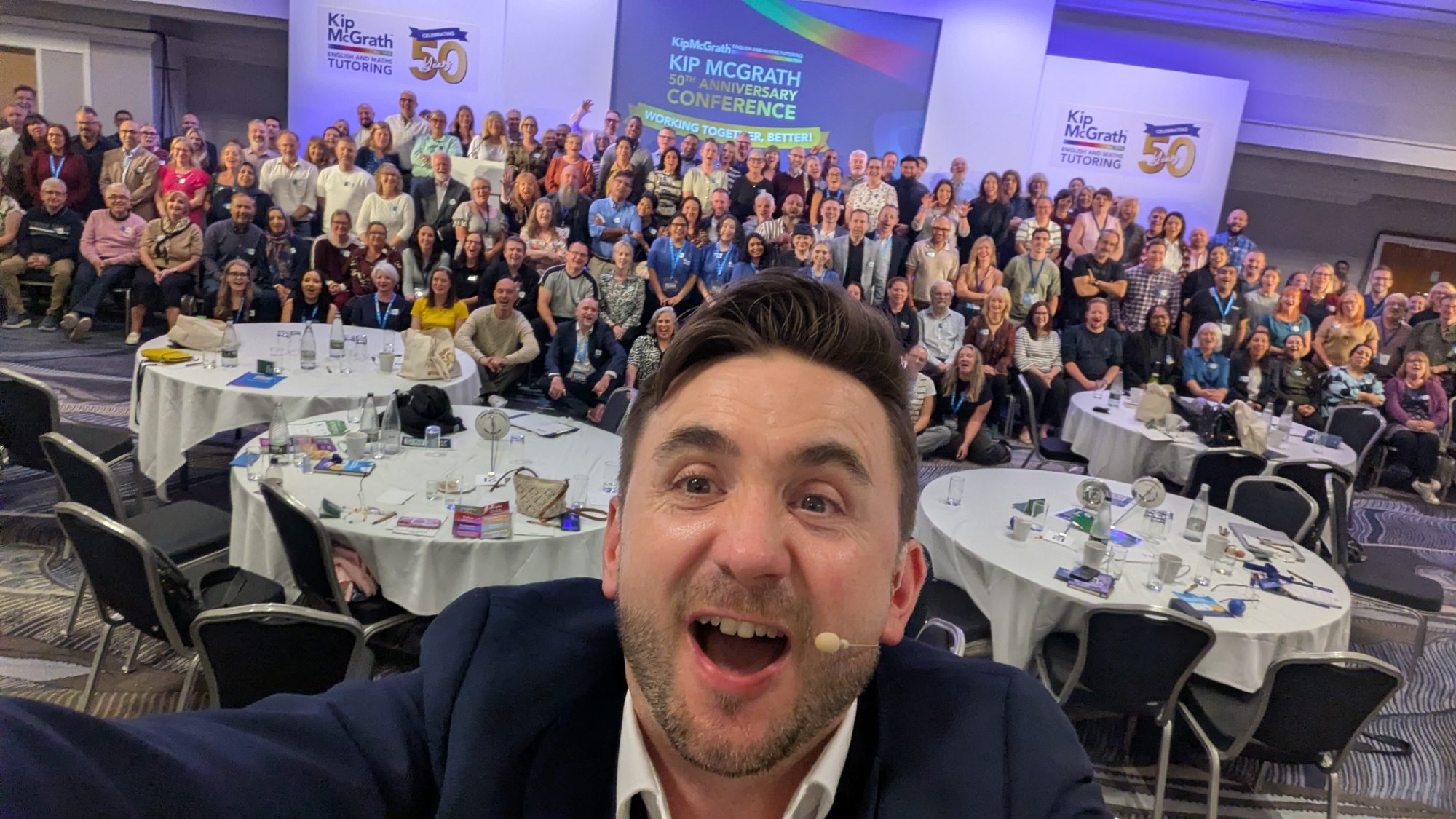
I am Kevin Durham, a conference host, MC, panel moderator and facilitator. Here is how the common methods differ and how a facilitator calls the result.
Which group decision making method should a meeting use?
Match the method to the stakes. Use a majority vote for low-stakes or urgent calls, fist of five to check alignment, consent when you want objections tested, and consensus when everyone must carry the decision out.
| Method | What counts as decided | Suits | Main risk |
|---|---|---|---|
| Majority vote | More than half agree | Low-stakes or urgent calls | Winners and losers, so the minority may not carry it out |
| Fist of five | Nothing: it is a poll | Checking alignment, early or late | Counting fingers as votes without agreeing the line first |
| Consent | No reasoned objection survives | A change you can review later | Argument over what counts as an objection |
| Consensus | Everyone supports it or can live with it | High stakes, long life, everyone must act | Slow, and one person can hold it up |
The risk column is my judgement. The rest draws on the sources cited below.
What is the difference between consent and consensus?
Consensus looks for a decision everyone actively supports or can live with. Consent only asks whether anyone has a reasoned objection. Consent sets the lower bar, which is why it is quicker.
Seeds for Change, a UK training co-operative, describes consensus as finding solutions everyone actively supports or at least can live with, with a block as a safety net. The Sociocracy 3.0 pattern library asks instead whether anyone has an argument showing a proposal is not good enough or safe enough, and aims for “good enough for now” and “safe enough to try”. Both are practitioner sources, not research.
The word “consensus” is slippery. Sam Kaner’s Facilitator’s Guide (2014) treats it as the process and unanimity as one way of closing it. The Seva Foundation uses “unanimity minus one” and some Green Party chapters use 80%. Ask what a group means by consensus before you promise it.
How does fist of five work, and what does it decide?
Fist of five asks everyone to show 0 to 5 fingers at once, from a fist to five fingers for full support. It measures how close a group is to agreement. It decides nothing on its own.
Gamestorming describes five fingers as “absolute, total agreement” and a fist as “completely different points of view”. Meanings vary: a guide from the Northwest Minnesota Foundation reads a fist as a block and one finger as standing aside, so say which scale you use. Kaner’s own scale has eight points, from whole-hearted endorsement to veto, and he is clear it is a poll: no decision has been made.
A worked illustration, my own numbers: a steering group of 24 shows 5 fives, 8 fours, 6 threes, 3 twos and 2 ones. The average is 83 divided by 24, about 3.5, which sounds fine. It hides that 5 people (21%) are at one or two. I would hear those five before calling it.
Which method should a meeting use when speed matters?
Use a majority vote when the decision is low-stakes, easy to reverse or urgent. Seeds for Change says voting makes sense when a decision is not very important or any decision is better than none.
It names the cost: voting creates winners and losers, which can breed competition and distrust. If the losing side must help deliver the outcome, a quick vote may be slower in the end.
What if the meeting is a board or a charity with its own rules?
Follow the formal rules first. A facilitation method can prepare a decision, but it does not replace the vote your constitution requires.
For a private company using the model articles, as at November 2026, a directors’ decision must be a majority decision at a meeting or a unanimous one, and the chair has a casting vote on a tie unless they are not counted for that decision. Your own articles may differ. Charity Commission guidance on charity meetings (updated July 2024) says trustees are collectively responsible for every decision, even one they voted against.
So use fist of five to learn what the vote will be, then take the formal vote. The chair’s side is in chairing a meeting.
Which method should a meeting use when everyone must act on the result?
Seek enthusiastic support when the stakes are high, the impact is long-lasting and the problem is hard. Kaner says lukewarm support is good enough when the stakes are low, the impact short and the problem simple.
Seeds for Change adds a test: where unity matters, such as a policy everyone must implement, even one stand aside may be unacceptable. A trial run needs less.
Kaner also warns that silence is not agreement. “Does everyone agree?” followed by a few quiet seconds tells you nothing about the quiet people.
How does a facilitator call the decision?
A facilitator calls a decision by naming the rule before the debate, polling everyone at once, hearing the lowest scores first, then applying the rule as agreed. This sequence adapts Kaner’s polling steps.
- Name the rule. Write down what counts as decided. My suggestion, not a standard: no fists and no more than two ones. Kaner and Hannah Love both say to settle this, and what happens if support is lukewarm, in advance.
- Fix the wording. Put the proposal where everyone can see it and take final edits.
- Poll together. Everyone shows their number at the same moment, so nobody follows the room.
- Hear the lowest first. Ask what would raise their number. Love says to expect two to five rounds.
- Re-poll, call it, minute it. The Northwest Minnesota guide suggests a review date for any decision that was mostly ones, twos and threes.
Groups also tend to spend their time on what members already know, a pattern called the hidden profile effect. Ask for objections in writing first.
Deciding in a hall of 200
These methods were built for a committee table. Fist of five works at 20 because you can scan the room. At 200, I do not think anyone can count fingers from a stage.
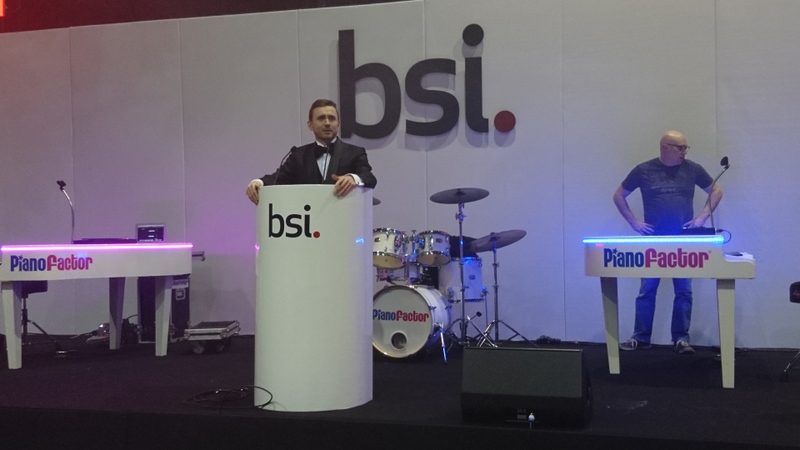
The fix is a phone poll with results hidden until it closes. RoomReader, my own phone-based audience response software, is included with hosting and nothing needs downloading. A poll on a screen is still a poll: formal votes follow your rules. For larger groups, see Liberating Structures.
When is it worth bringing in a facilitator for group decisions?
DIY is the right call for a small team, a trusted chair and a low-stakes decision. Bring in a facilitator when the decision is made in front of dozens or hundreds, members have different stakes, or the last meeting went in circles.
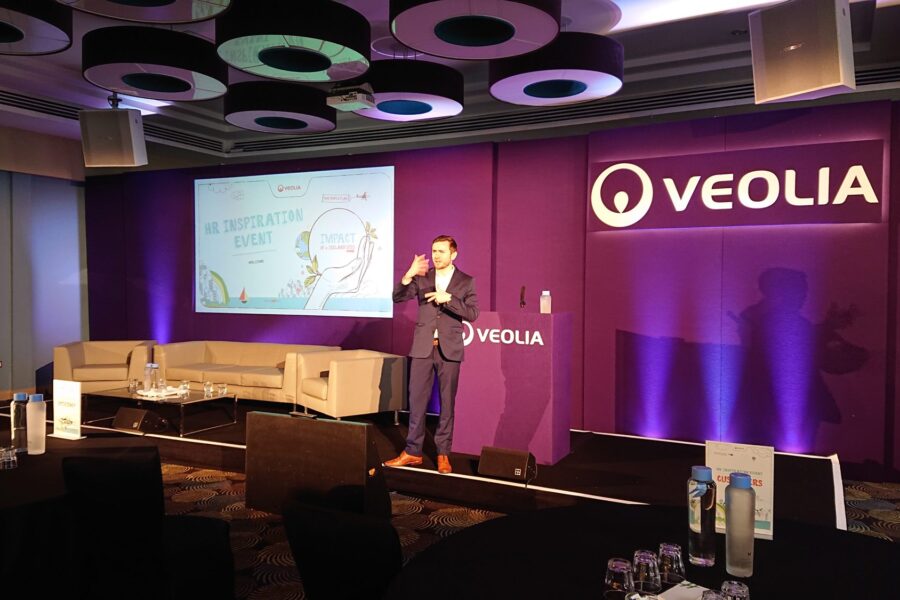
A chair may carry a casting vote; a facilitator stays impartial and holds the process. As a conference facilitator, I keep the wording, the clock and the silence while people poll. Agreed ground rules help beforehand.
One client wrote on my reviews page: “He’s really professional, engaged the room and took control where we needed it.” Nicola Briscoe of the Electrical Industries Charity was writing about an event I hosted, not a vote.
What to have ready when you get in touch
Send me the agenda, the number of delegates, the decision on the table, who must carry it out and what went wrong last time.
Every event is quoted individually at a fixed price with no hidden extras. To check availability, email hello@conferencehost.uk or call 07596 851647, and I will tell you which method fits, or whether you need a conference host at all.
17:00Close
Send me your agenda. I’ll show you where the room comes alive.
A fixed price, a free planning call, and a reply within one working day.